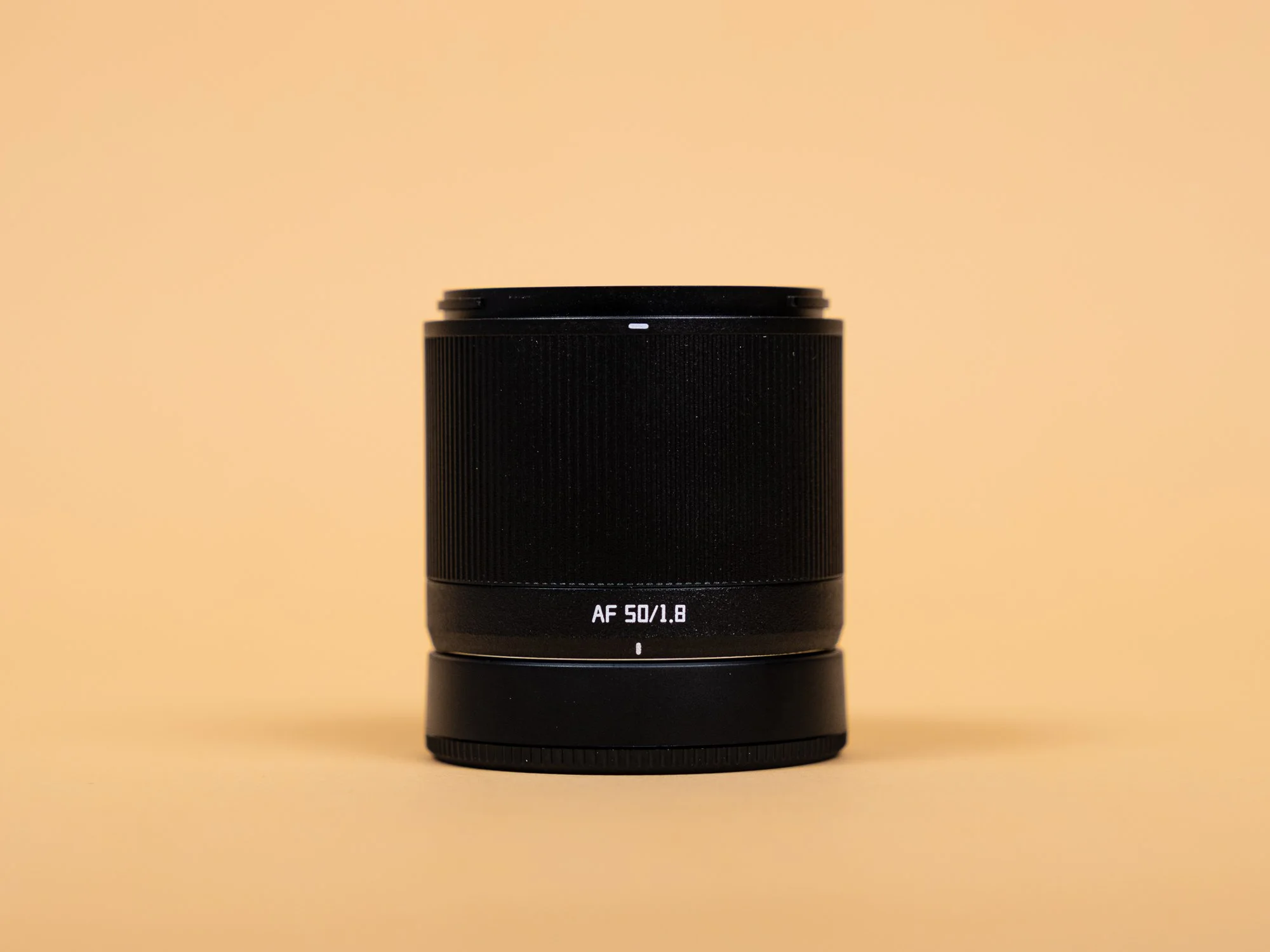
Review: TTArtisan 50mm f/1.8 Neo
A definitive review of the TTArtisan 50mm f/1.8 Neo lens for Full-Frame cameras.
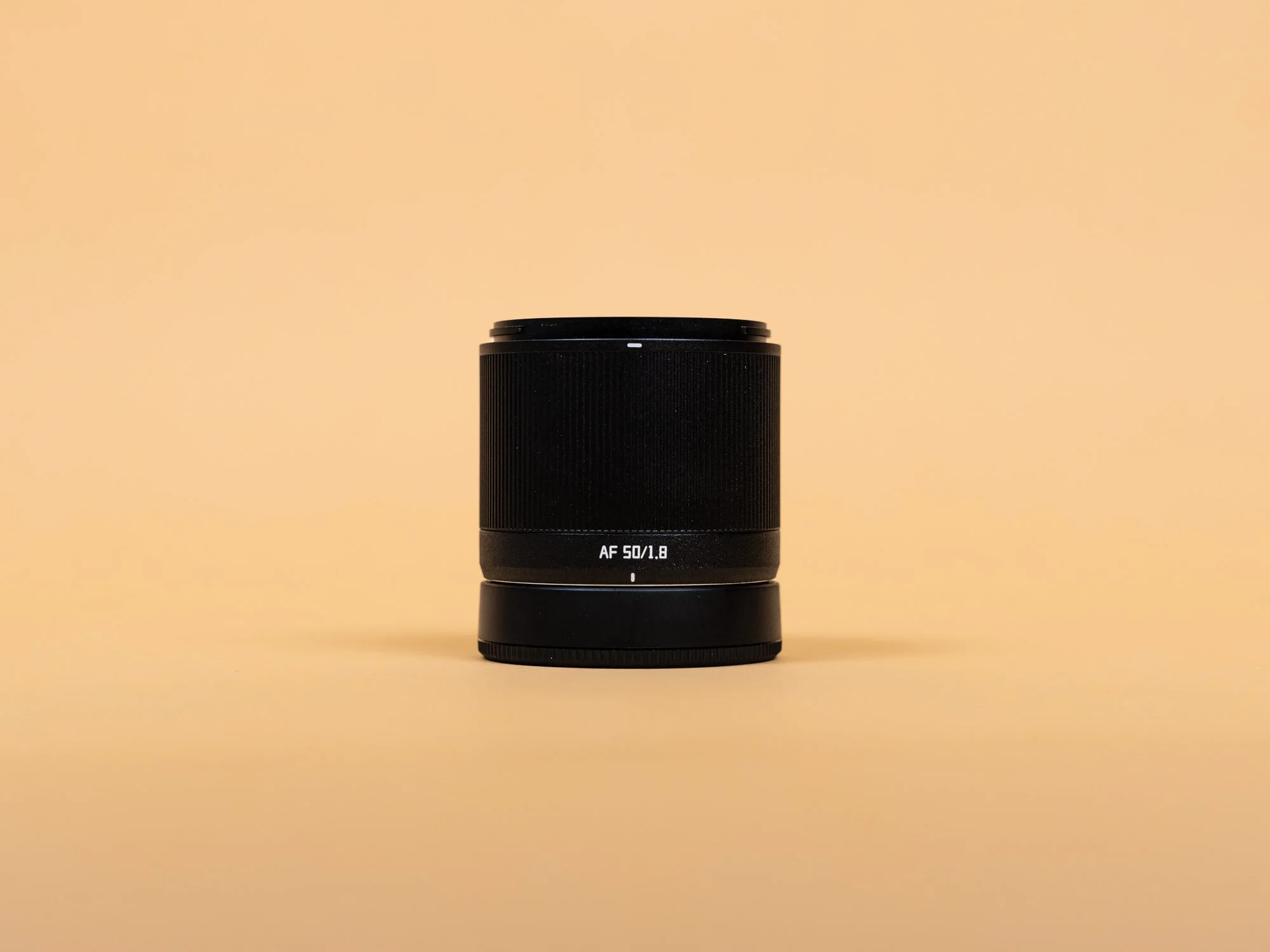
Intro
About a decade ago, as a broke film school student, I ran into a constant lens dilemma. I could save up for one expensive do-it-all lens, or I could go the budget route and acquire multiple third-party lenses full of compromises. If I wanted an affordable lens with autofocus and decent optics, I had very few places to turn.
Today, mirrorless shooters are almost spoiled for choice when it comes to budget lenses. TTArtisan is one of the brands that helped pave the way, giving photographers on a tight budget affordable glass without completely sacrificing image quality. After building its reputation on Leica-M manual focus lenses, the company moved into autofocus in 2022, and their new Neo series pushed their innovation even further. I tested their brand new TTArtisan AF 50mm f/1.8 Neo for two months.
This lens review is part of my Budget Lens Review series, where I test lenses under $200 USD to see if they’re actually usable. I also compare these budget options against more expensive premium lenses to find out whether spending the extra money is really worth it.
In the interest of transparency, TTArtisan sent me this lens free of charge for review. I paid for my own travel to test it, along with the other lenses I acquired to compare against this 50mm prime.
All images were shot with my Sony A7R VI, a 67-megapixel full-frame camera, to really test the optics of this lens.
Specs
Focal Length: 50mm
Mount: Sony E, Nikon Z, L Mount
Minimum Focus Distance: 48cm (0.48m)
Maximum Aperture: f/1.8
Minimum Aperture: f/16
Optical Construction: 12 elements in 8 groups (2 ED, 4 high-index); 7 diaphragm blades
Weight: 156g - 167g (Depending on mount)
Dimensions (Diameter x Length): 61mm x 51 mm (2.4" x 2.0") for Sony E
Filter Size: 52mm
Weather Sealing: None
Autofocus: STM stepping motor; eye and face detection
Price: $89 USD on B&H
Build Quality
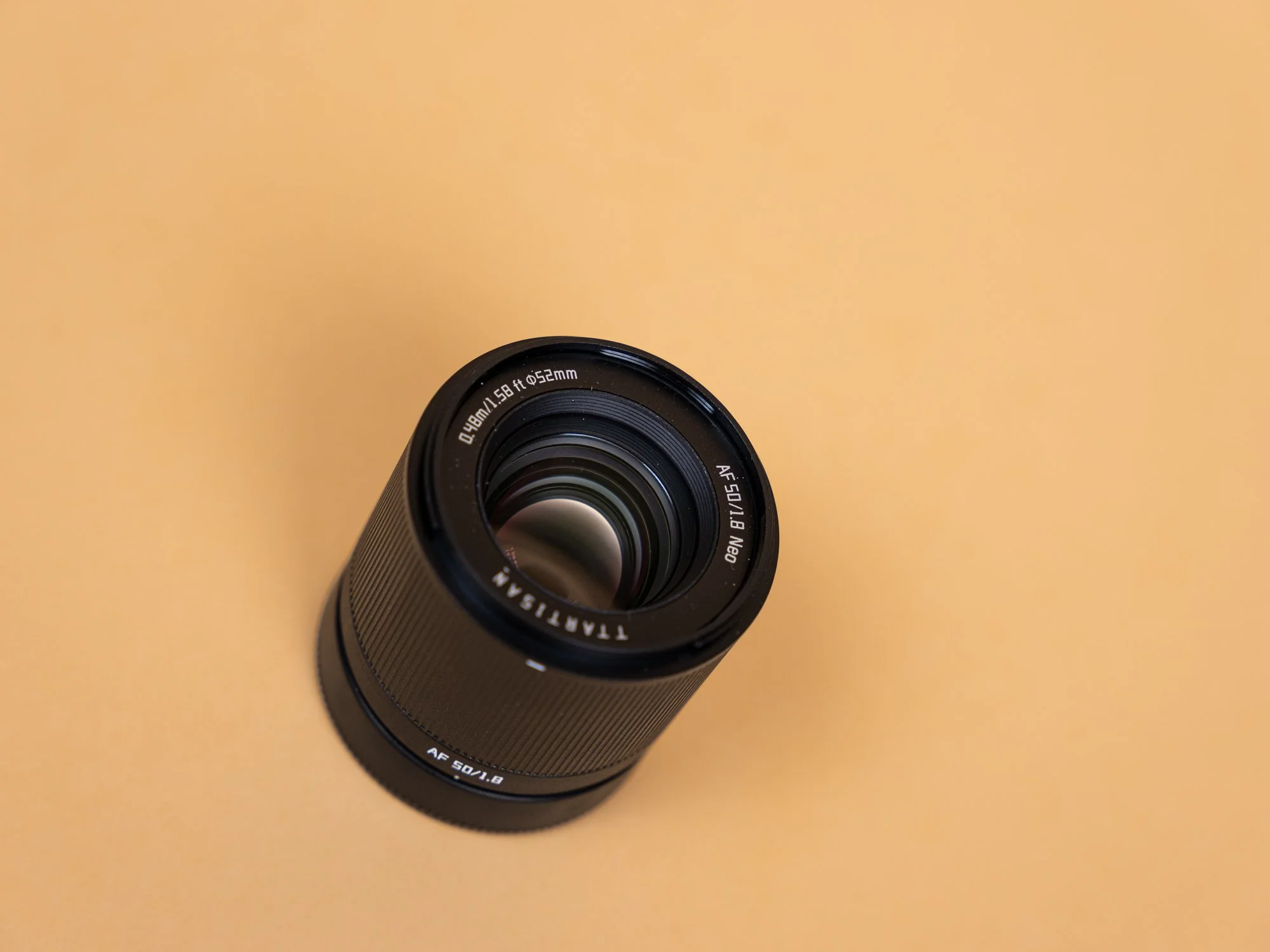
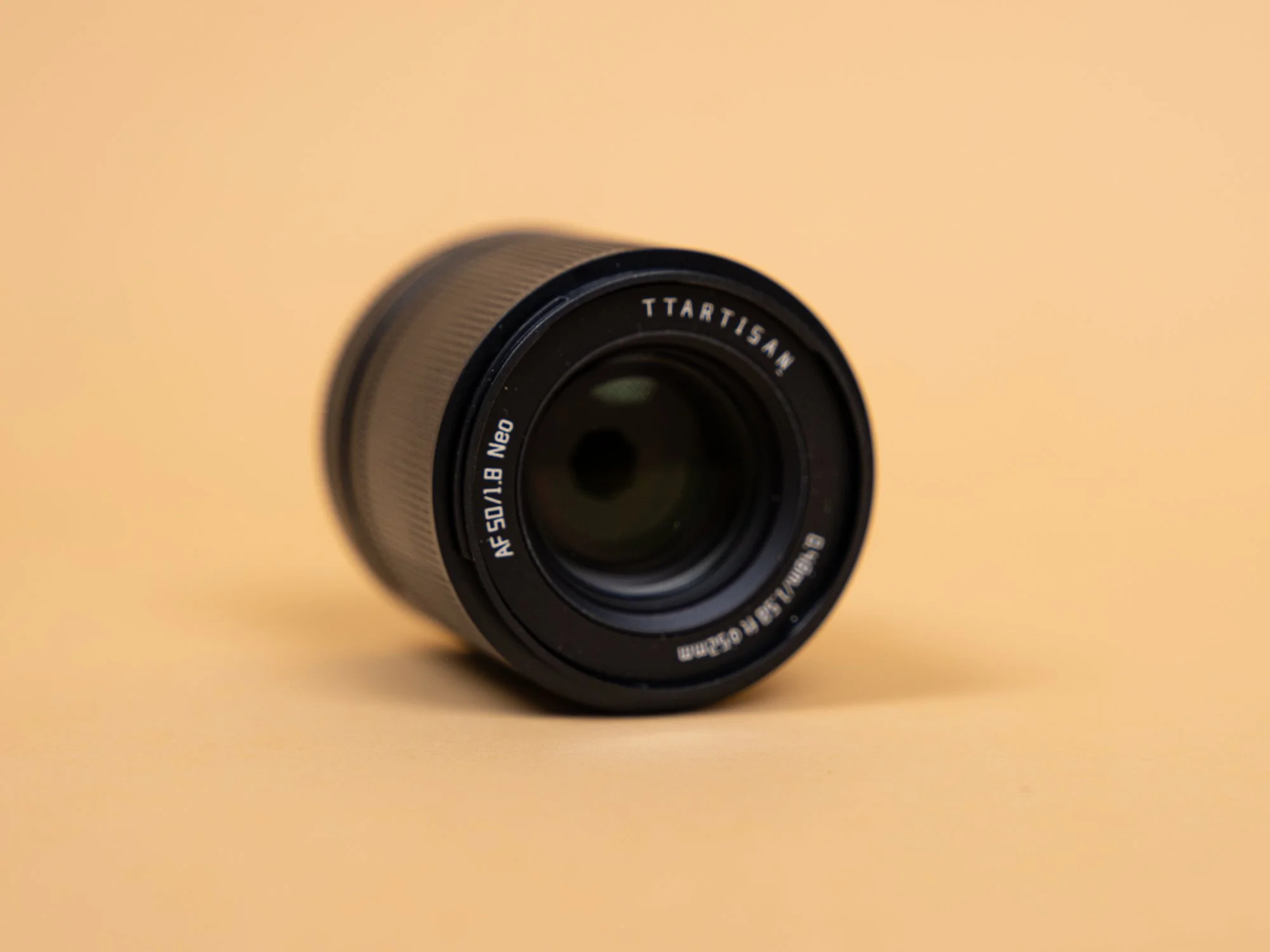
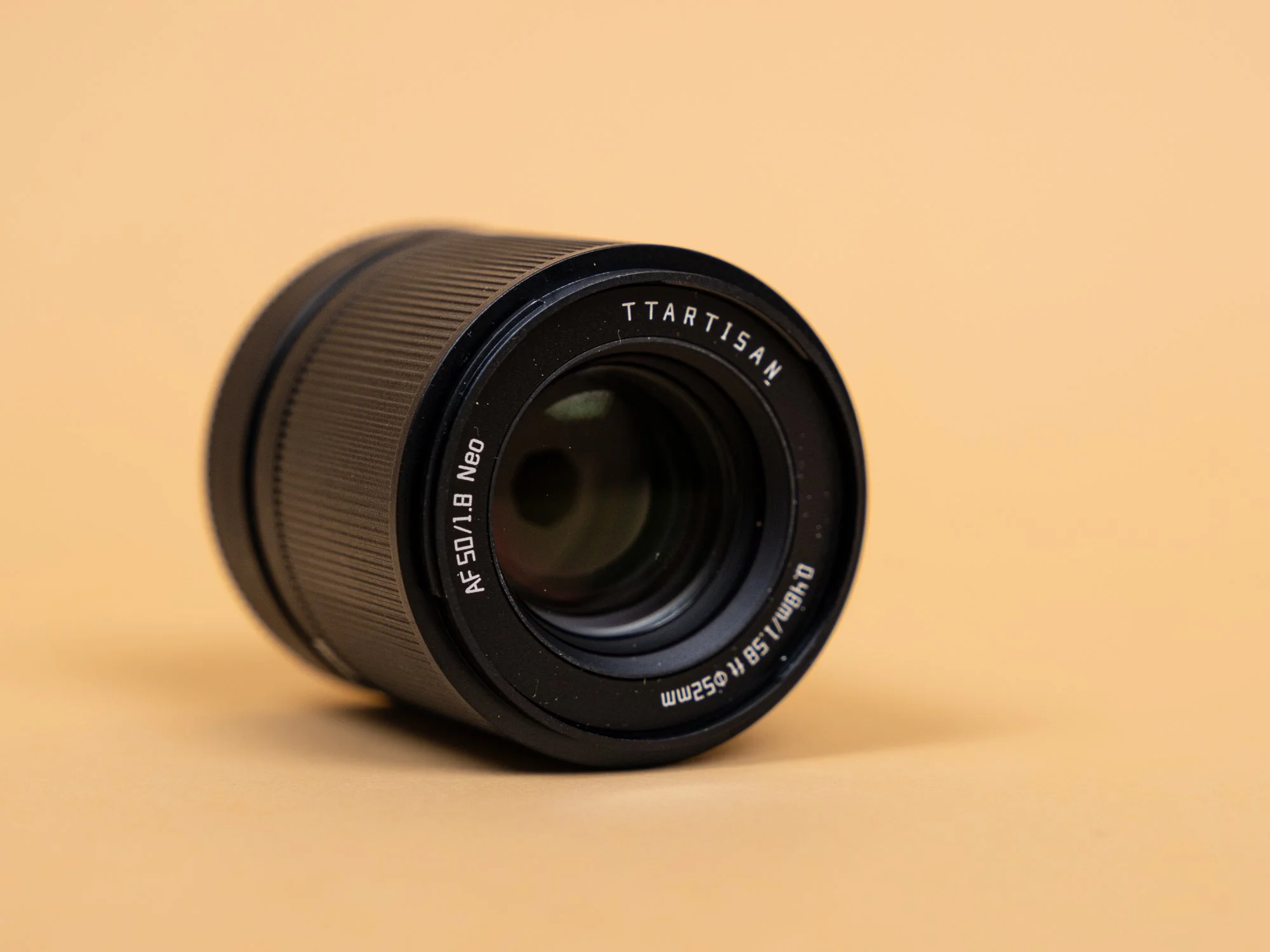
The TTArtisan AF 50mm f/1.8 Neo is built almost entirely from fiberglass composite, with the lens mount as the only metal component. It's lightweight, and in the hand it feels like a sturdy, well-made plastic.
TTArtisan is upfront about what this lens is: a budget 50mm prime. There are no switches, no buttons, and no rings for focus or aperture anywhere on the barrel. This is a true “nifty fifty”, a beginner-friendly autofocus prime designed to be shot in a point-and-shoot style, with every adjustment handled through the camera body.
The construction feels surprisingly solid, and I wouldn't worry much about damage from an accidental bump or drop. My biggest complaint is the lens hood, which is comically small and does very little to block flare. I'd mainly attach it to protect the front element from scratches while carrying the lens around.
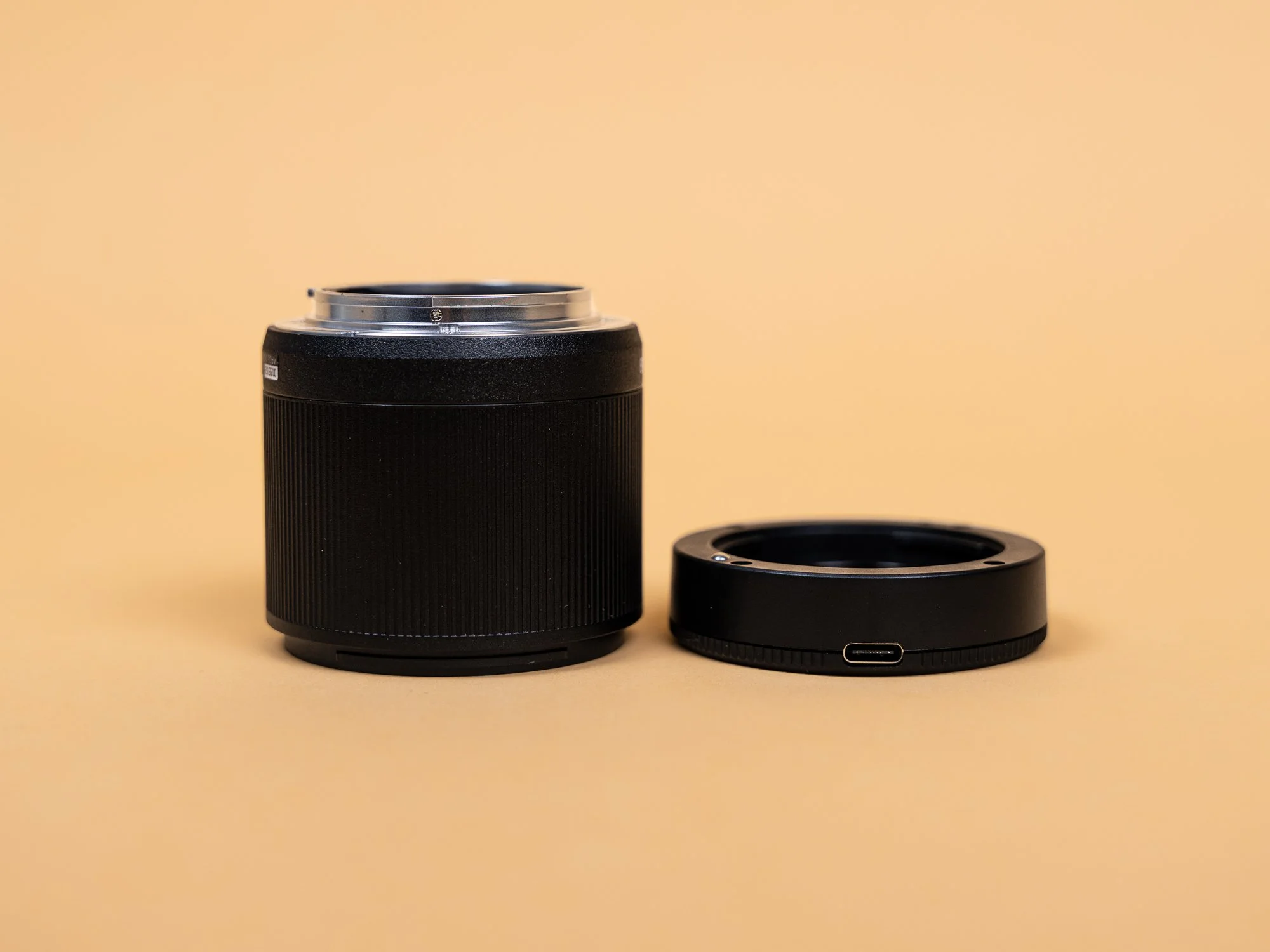
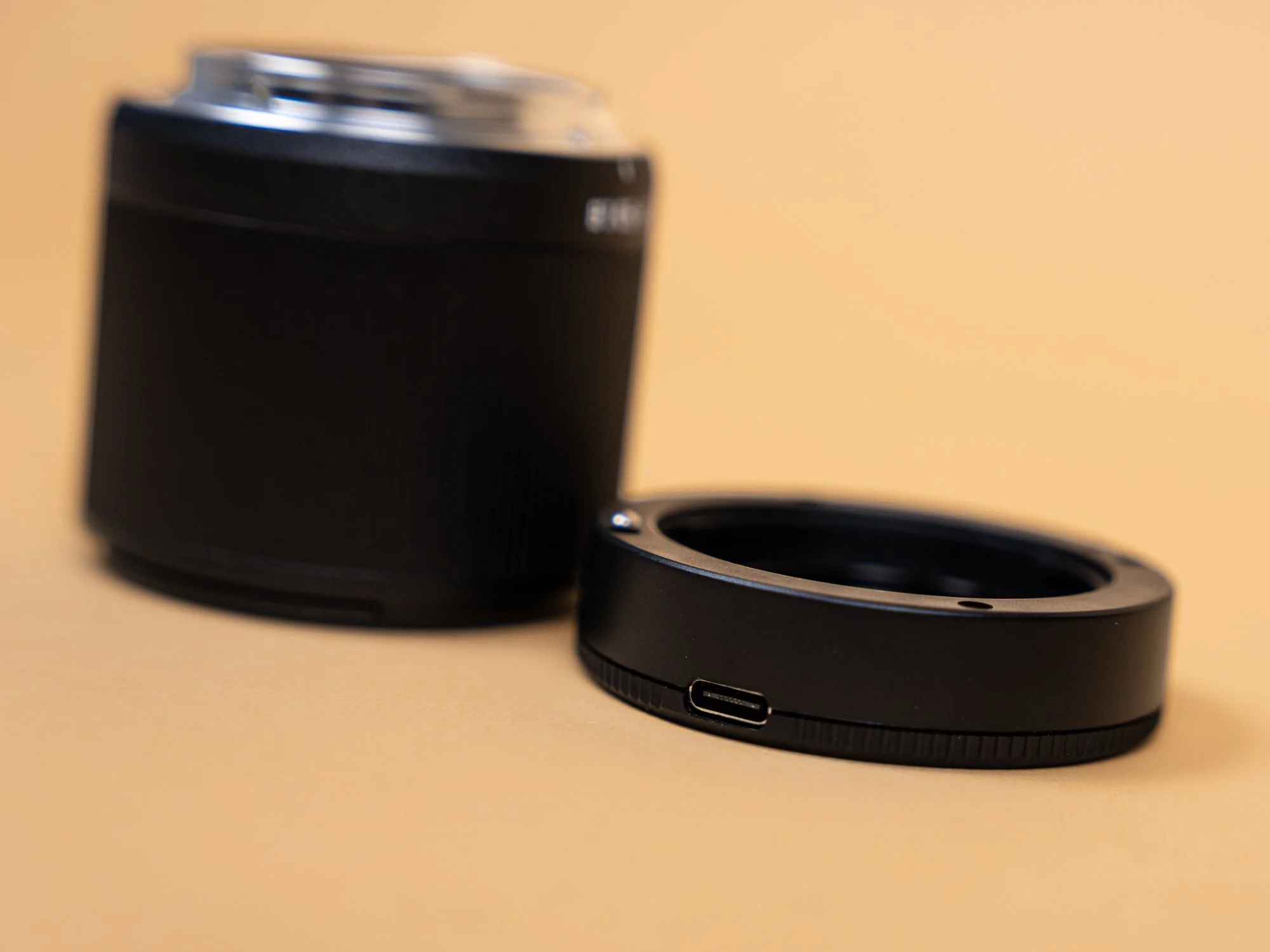
The rear lens cap has a built-in USB-C port for updating the lens firmware. Firmware support is always a welcome inclusion, especially for keeping a lens compatible as new camera bodies come out. The placement of the USB-C port is a bit puzzling. A port on the lens itself is far more practical, since putting it on the rear cap means you have to keep track of this specific cap. Mix it up with the caps from your other lenses and you lose the ability to update firmware until you find it again.
The rear cap also feels loose when twisting it on to lock. It's easy to brush against it and accidentally unscrew it. Even when it's fully attached, it never feels completely secure on the lens and has a slight wiggle.
As of November 8, 2026 the only firmware update available for this lens is for the L Mount version.
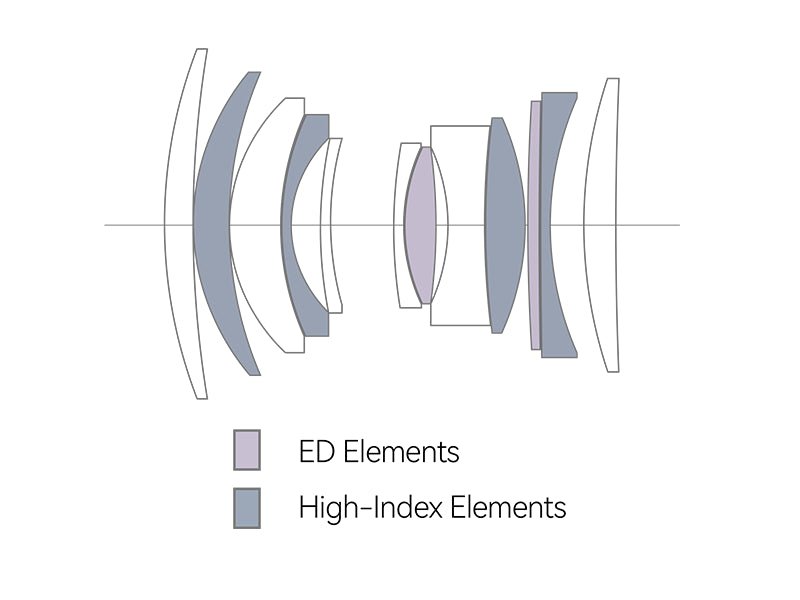
The optical design uses 12 elements in 8 groups, including 2 ED (extra-low dispersion) elements to control color fringing and 4 high-index elements that help keep the lens compact while correcting aberrations. Fitting this much specialty glass into an $89 lens is impressive on paper, especially in a body that weighs around 156 grams.
The aperture uses 7 diaphragm blades, which is typical for a budget prime, so expect bokeh balls to take on a slightly polygonal shape as you stop down. The front filter thread is 52mm, a common size for compact primes, though premium filter brands tend to prioritize larger diameters like 67mm, 77mm, and 82mm.
The TTArtisan AF 50mm f/1.8 Neo comes in three colors: Black, Green, and Titanium. The finishes are purely cosmetic, and all three share the same construction and optics.
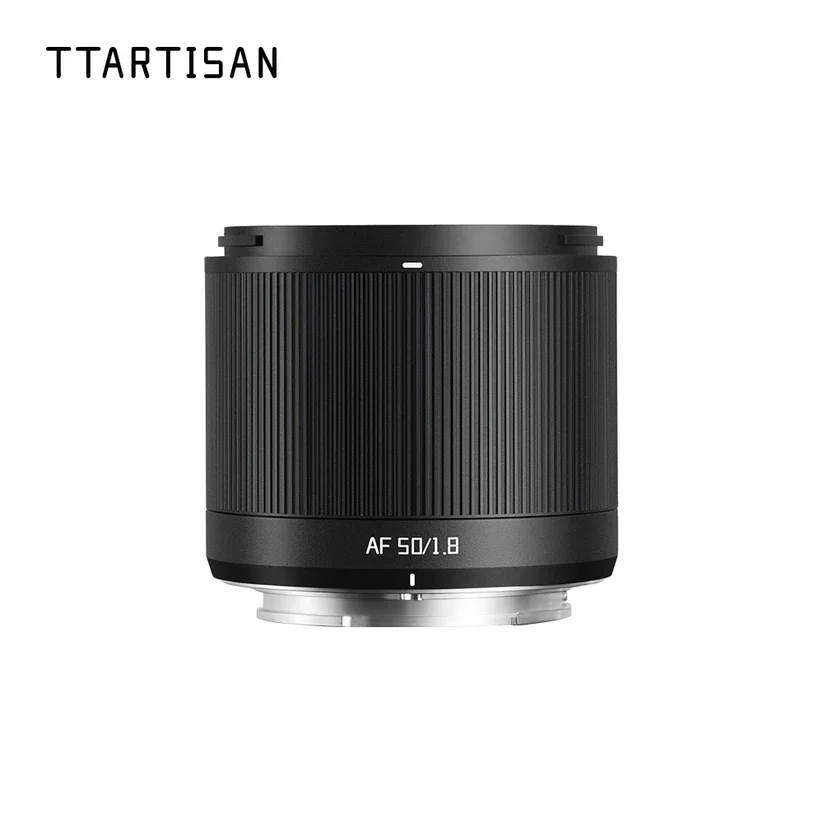
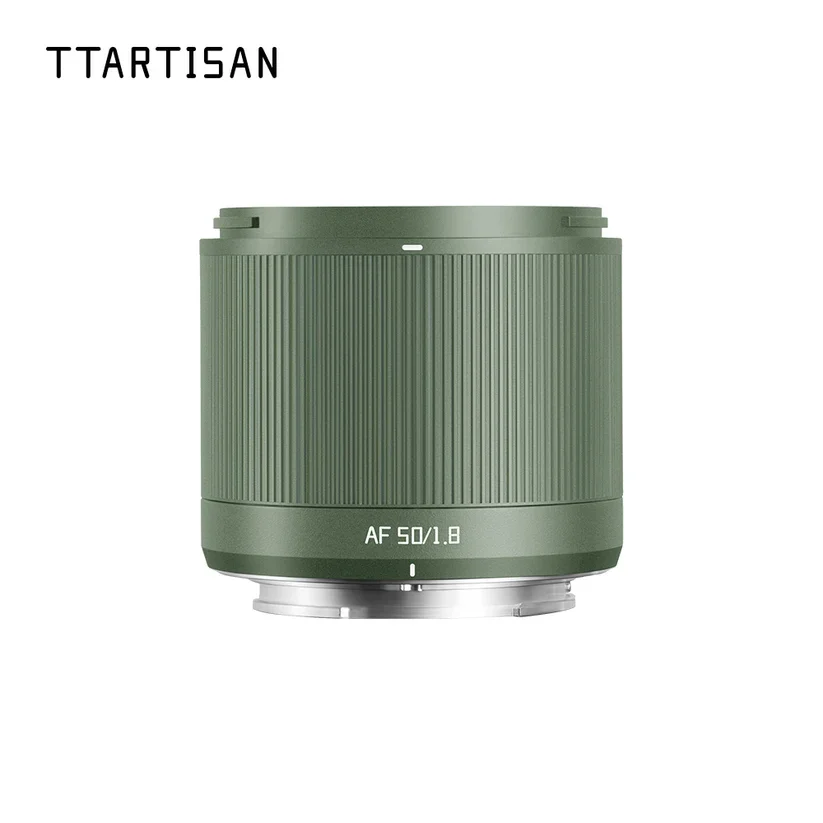
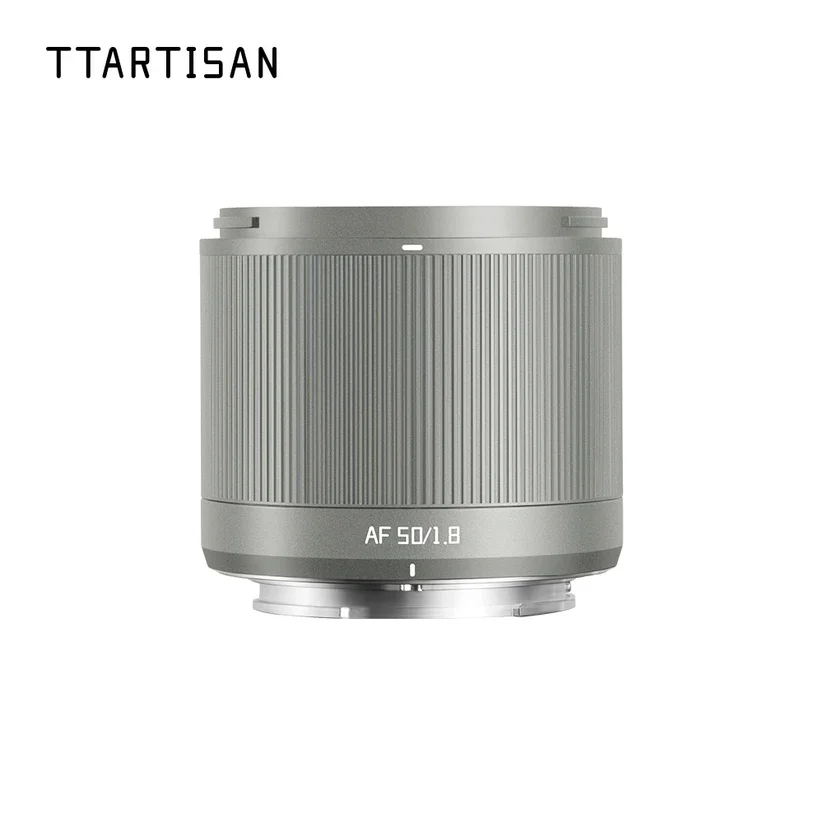
Images courtesy of TTArtisan (TTArtisan.com)
For a fun twist, TTArtisan designed the barrel to accept slip-on 3D-printed lens shells. The company provides downloadable 3D model files here. The files are available for the Sony E and Nikon Z versions, while the L-Mount version reportedly isn’t supported. I haven’t printed a shell myself, but it’s a nice little addition for those who like customization.
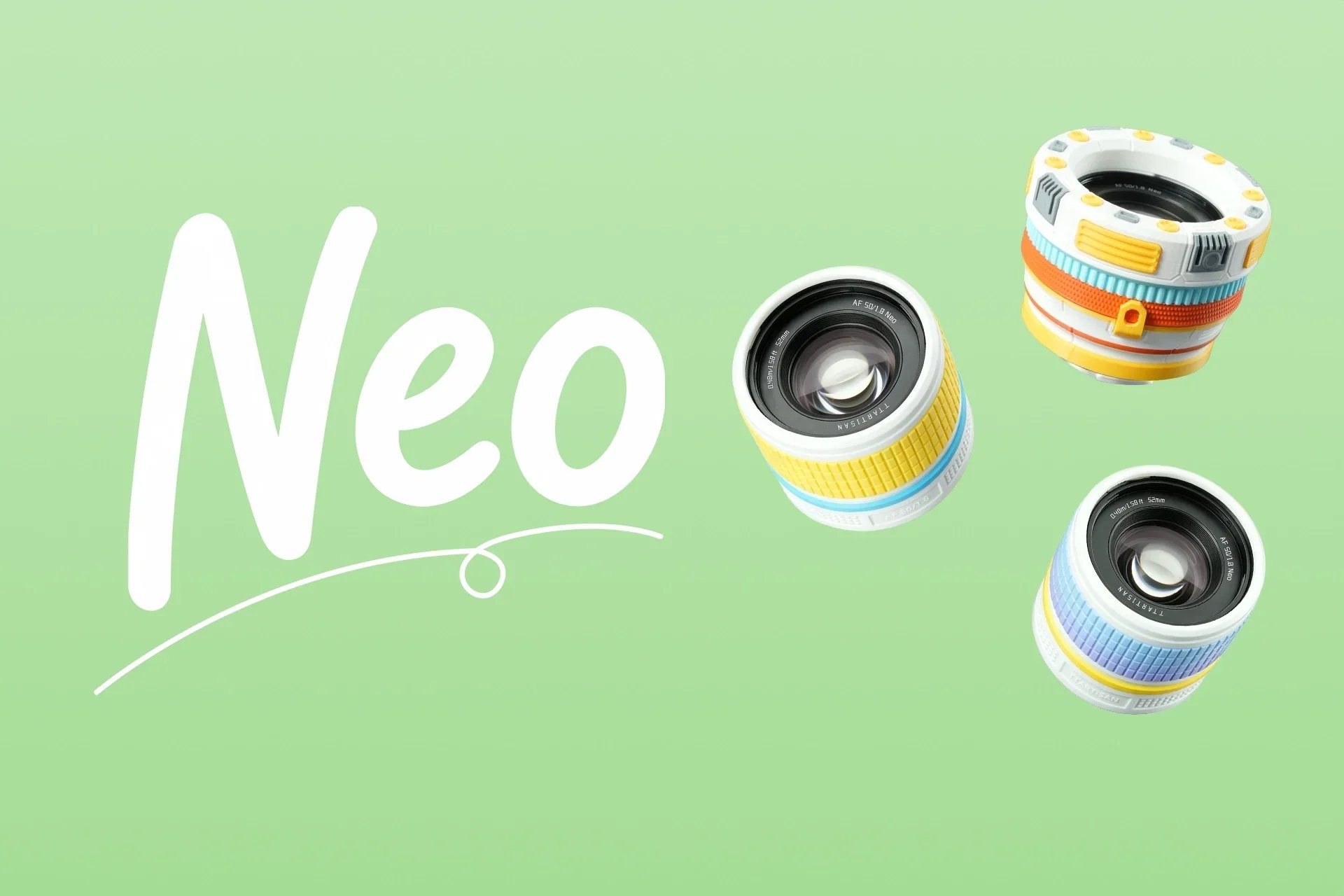
Image courtesy of TTArtisan (TTArtisan.com)
Another important caveat is the lack of weather sealing. Neither the barrel nor the mount has any protection against dust or moisture, so take extra care at the beach or if you get caught in the rain. I wish TTArtisan had added a simple rubber gasket to the mount, though at $89, it's clear the company trimmed every possible cost to hit that price.
Performance
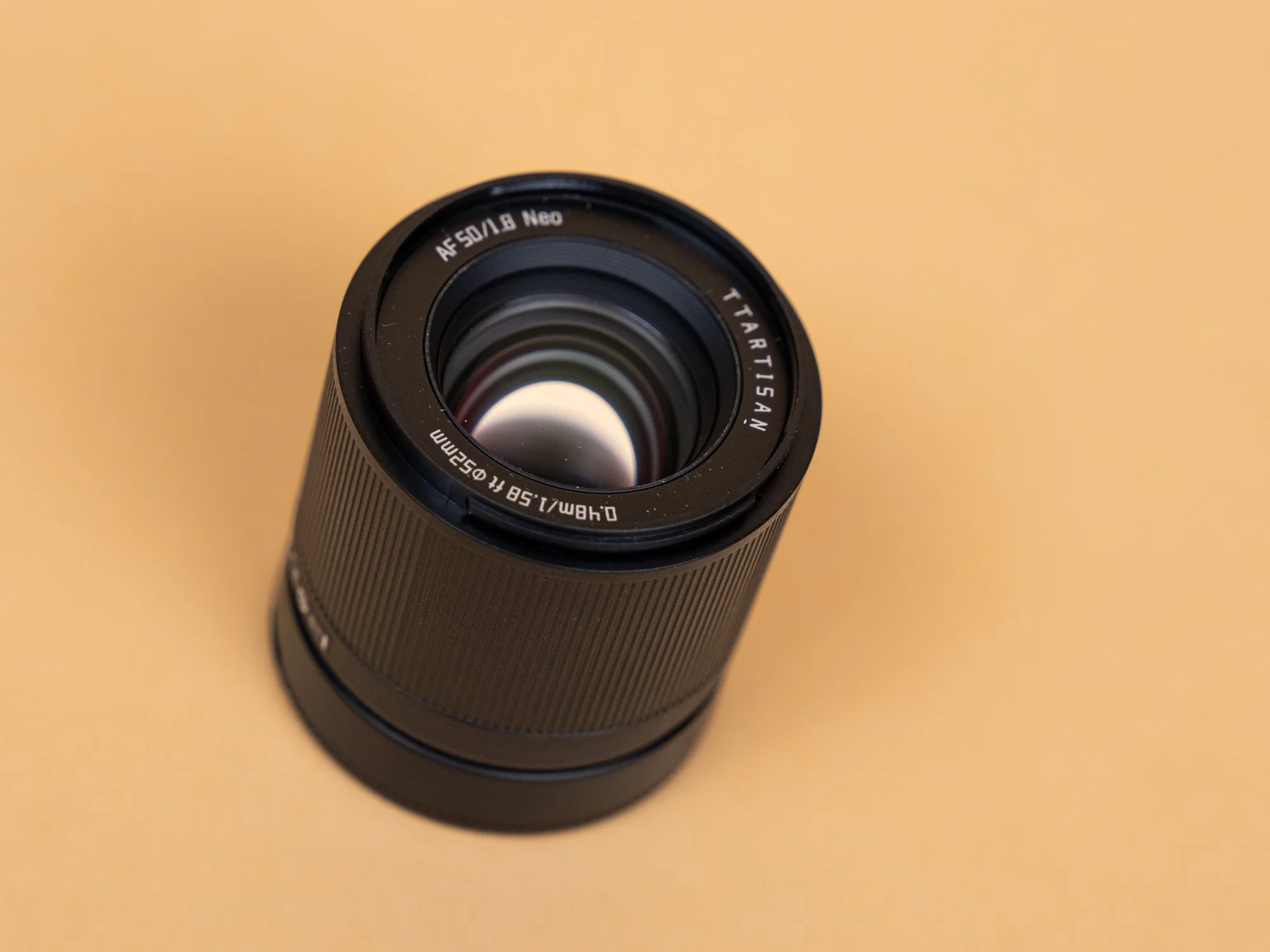
If I’d had this lens ten years ago, I would have happily traded my single Canon 50mm f/1.8 for a full set of Neo primes. It’s a perfectly capable lens for everyday photography and video. The autofocus, handling, and image quality all held up well enough that nothing ever felt like a dealbreaker.
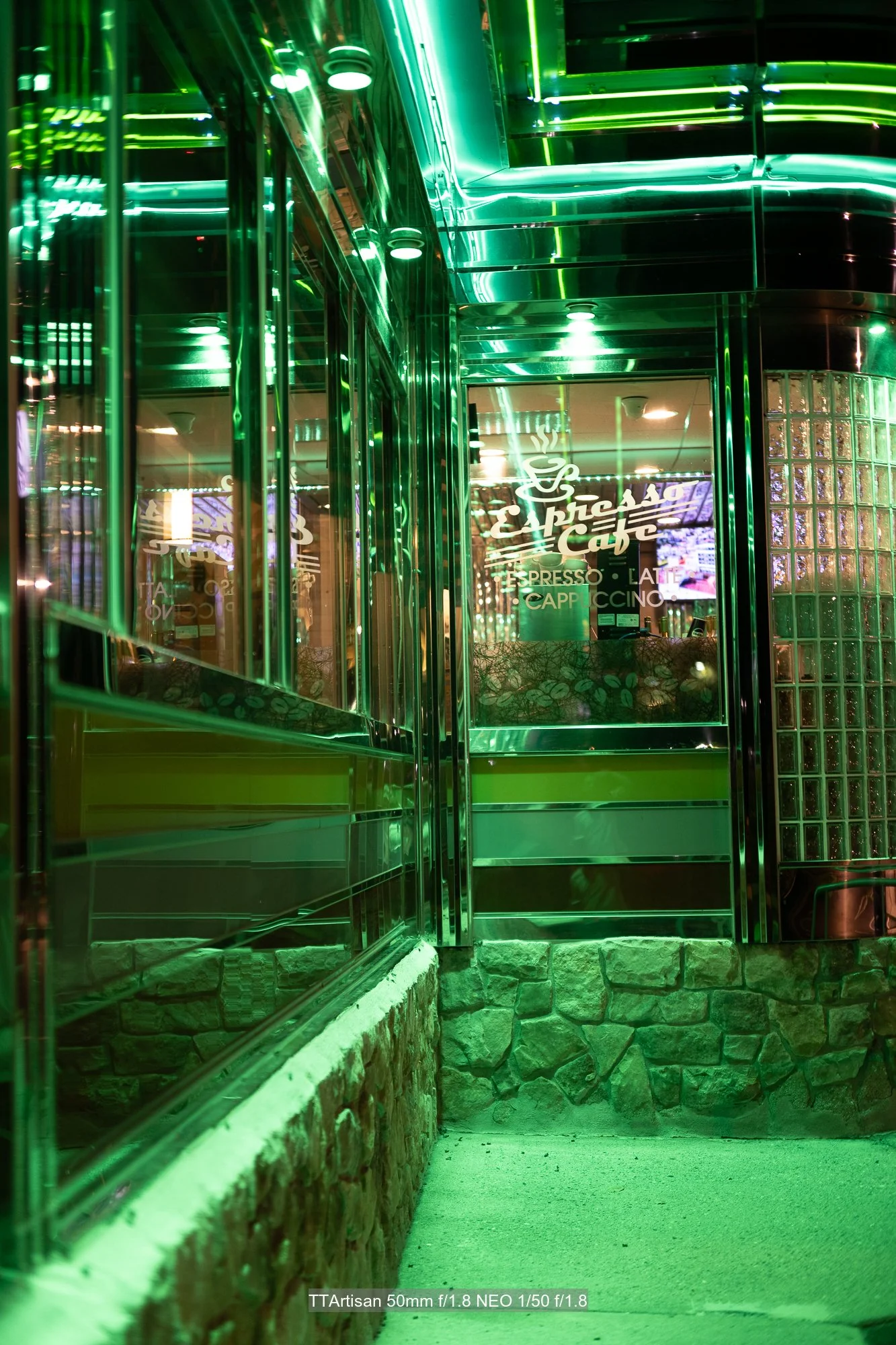
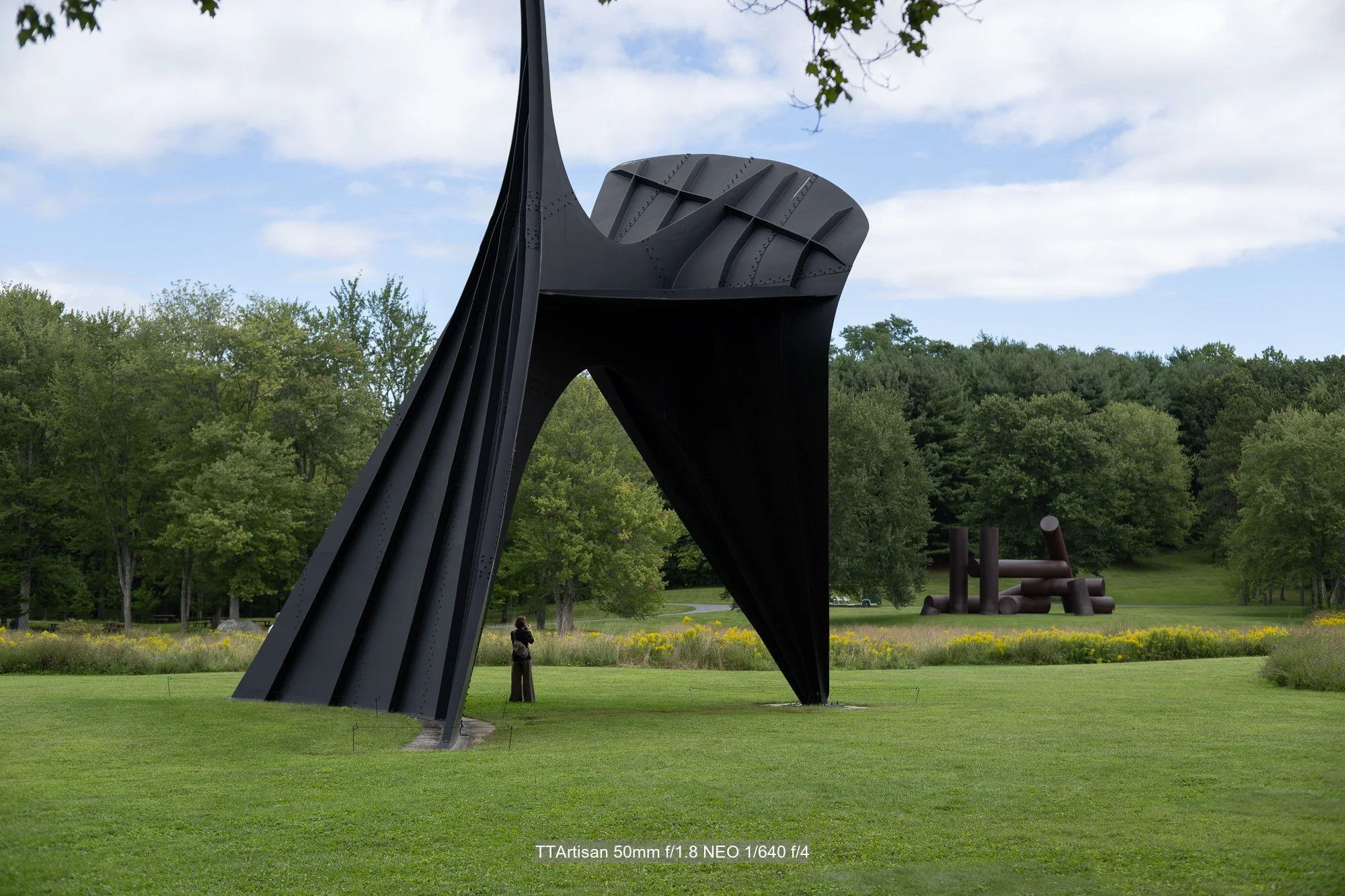
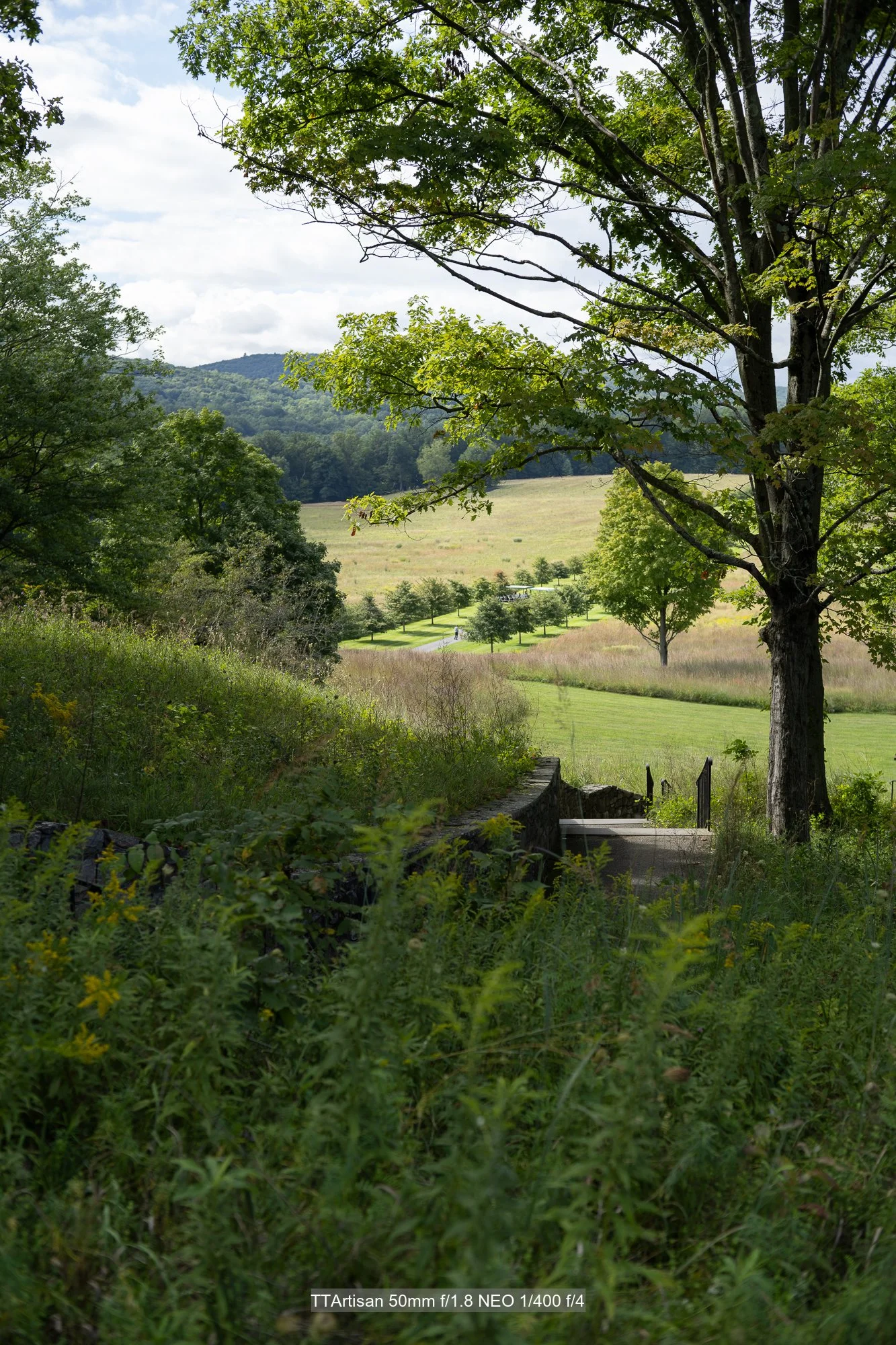
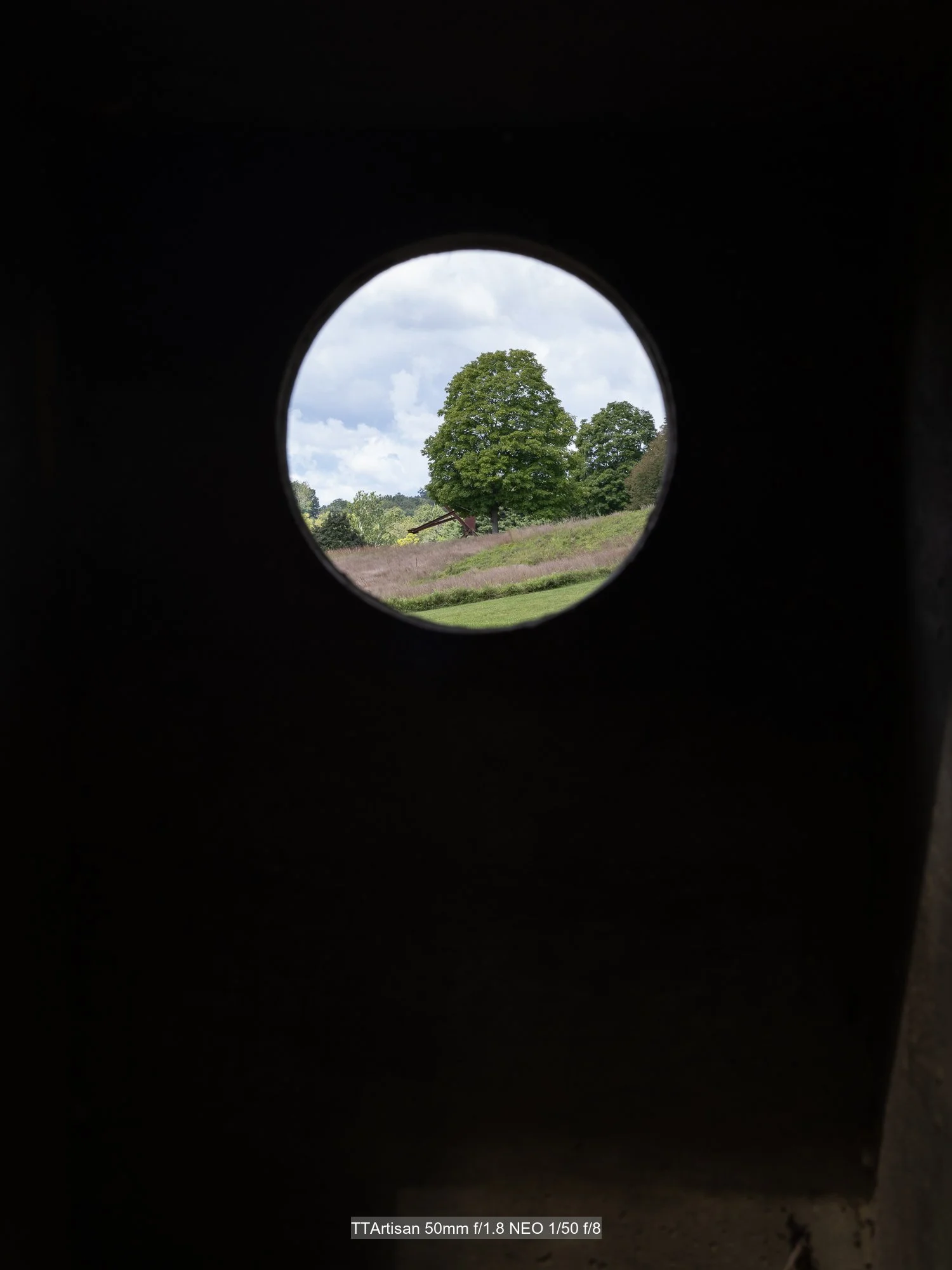
I brought it on a trip upstate and carried it around New York City, shooting casual street photos, portraits, and landscapes along the way.



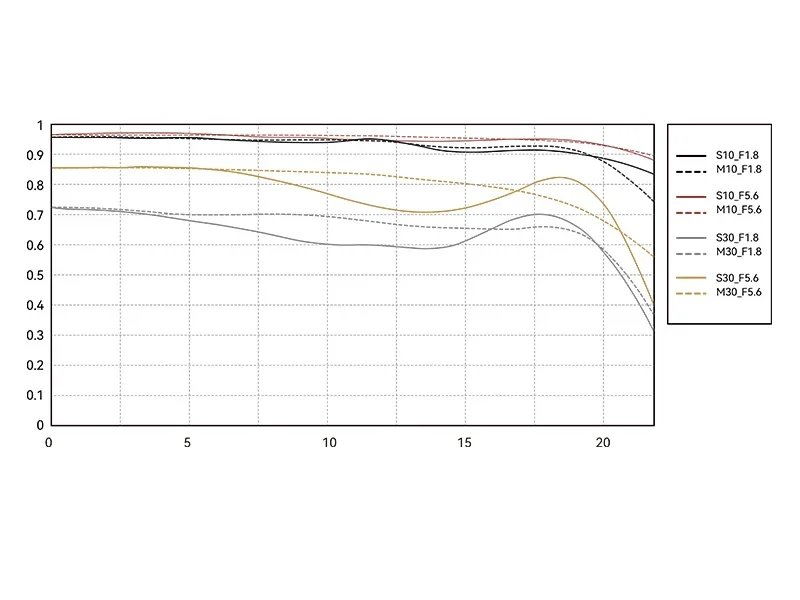
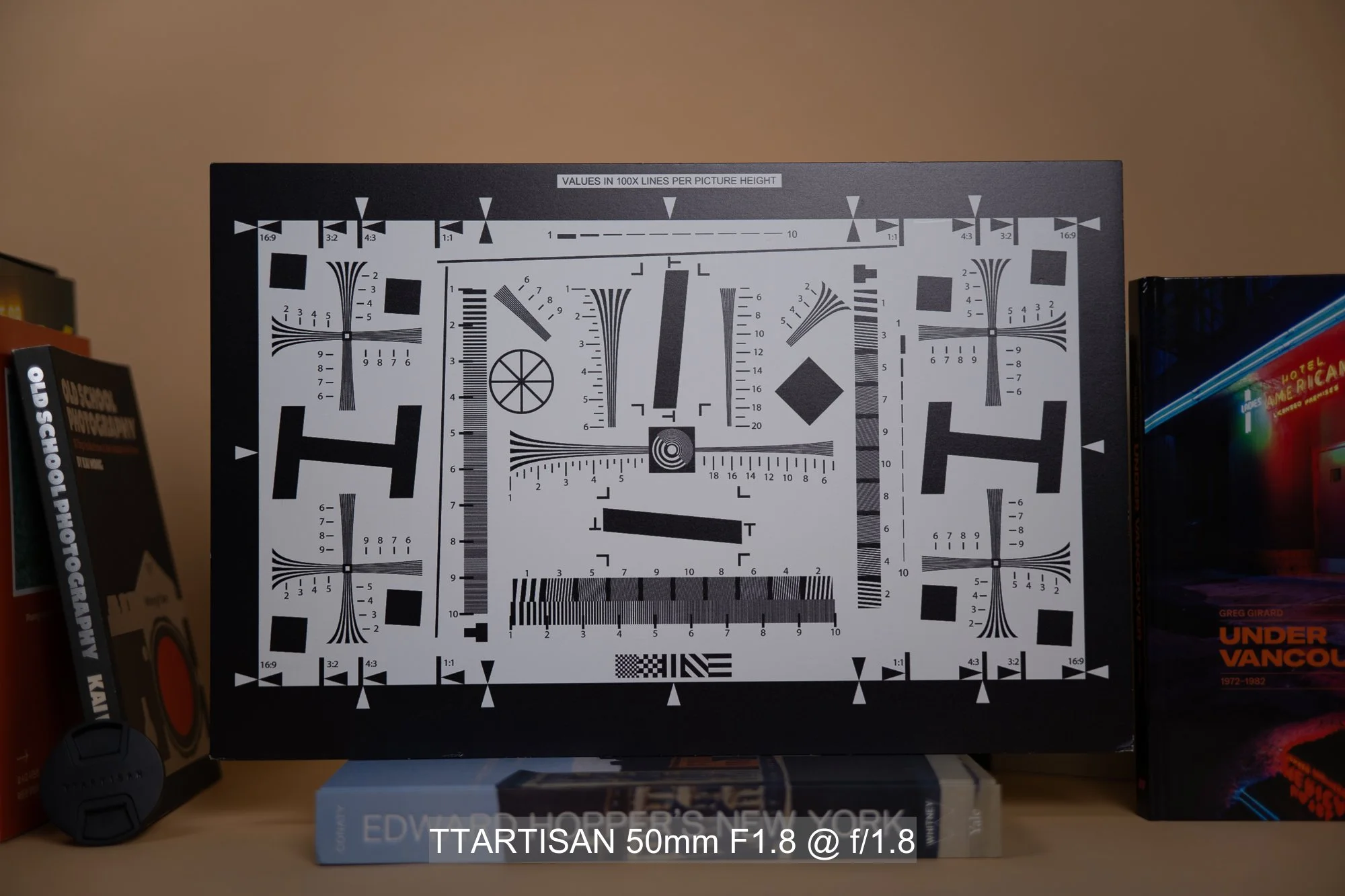
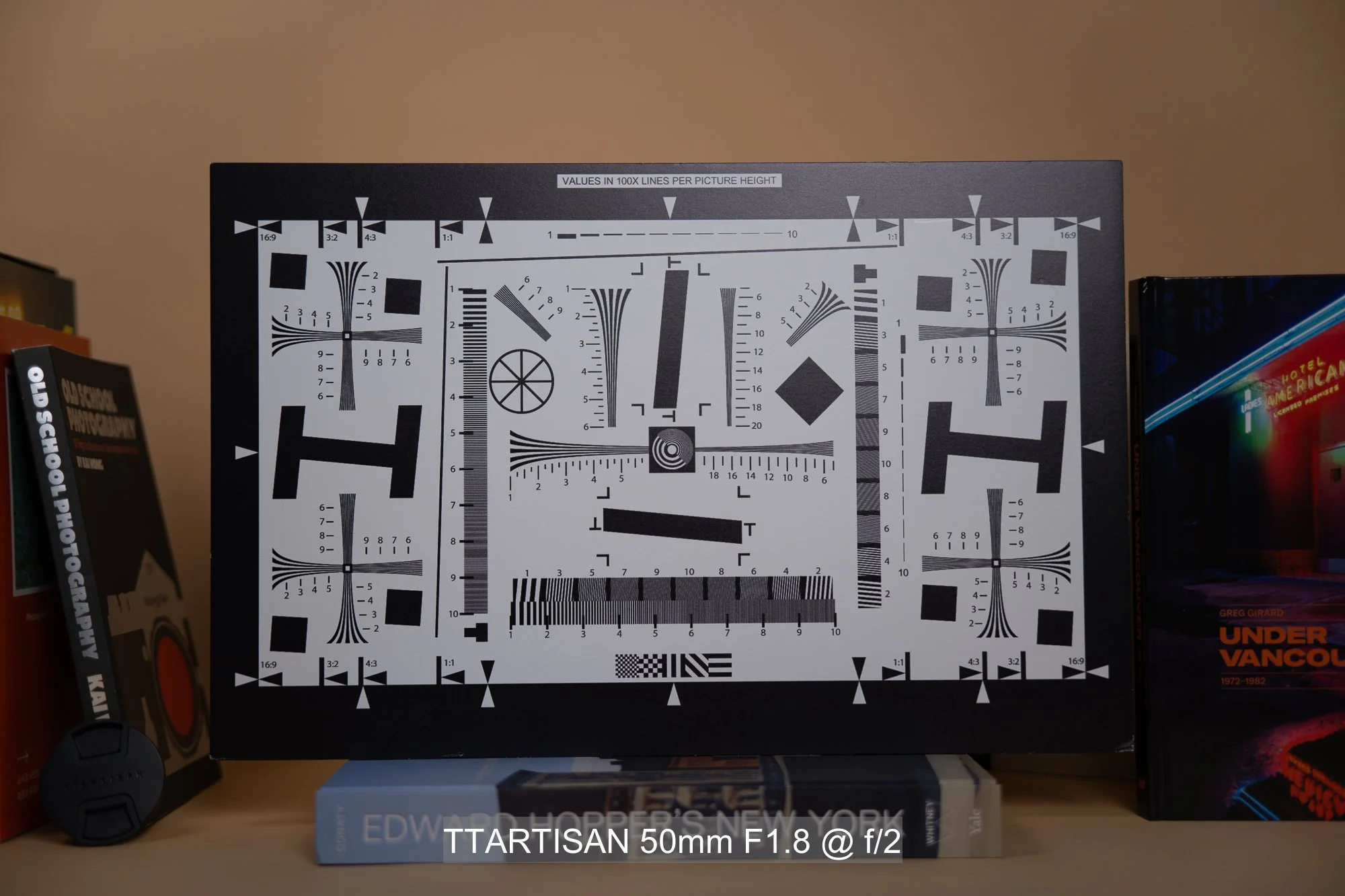
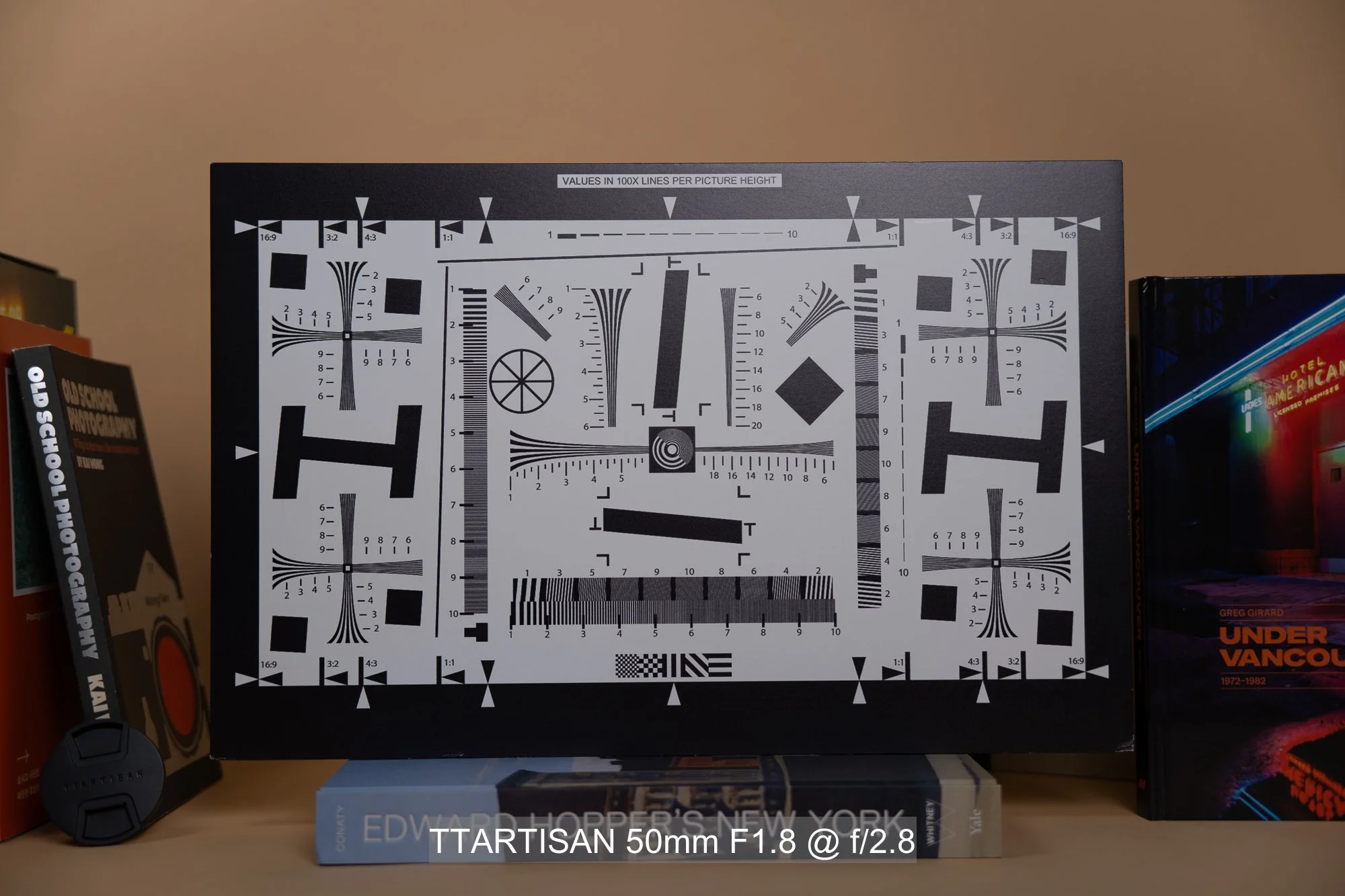
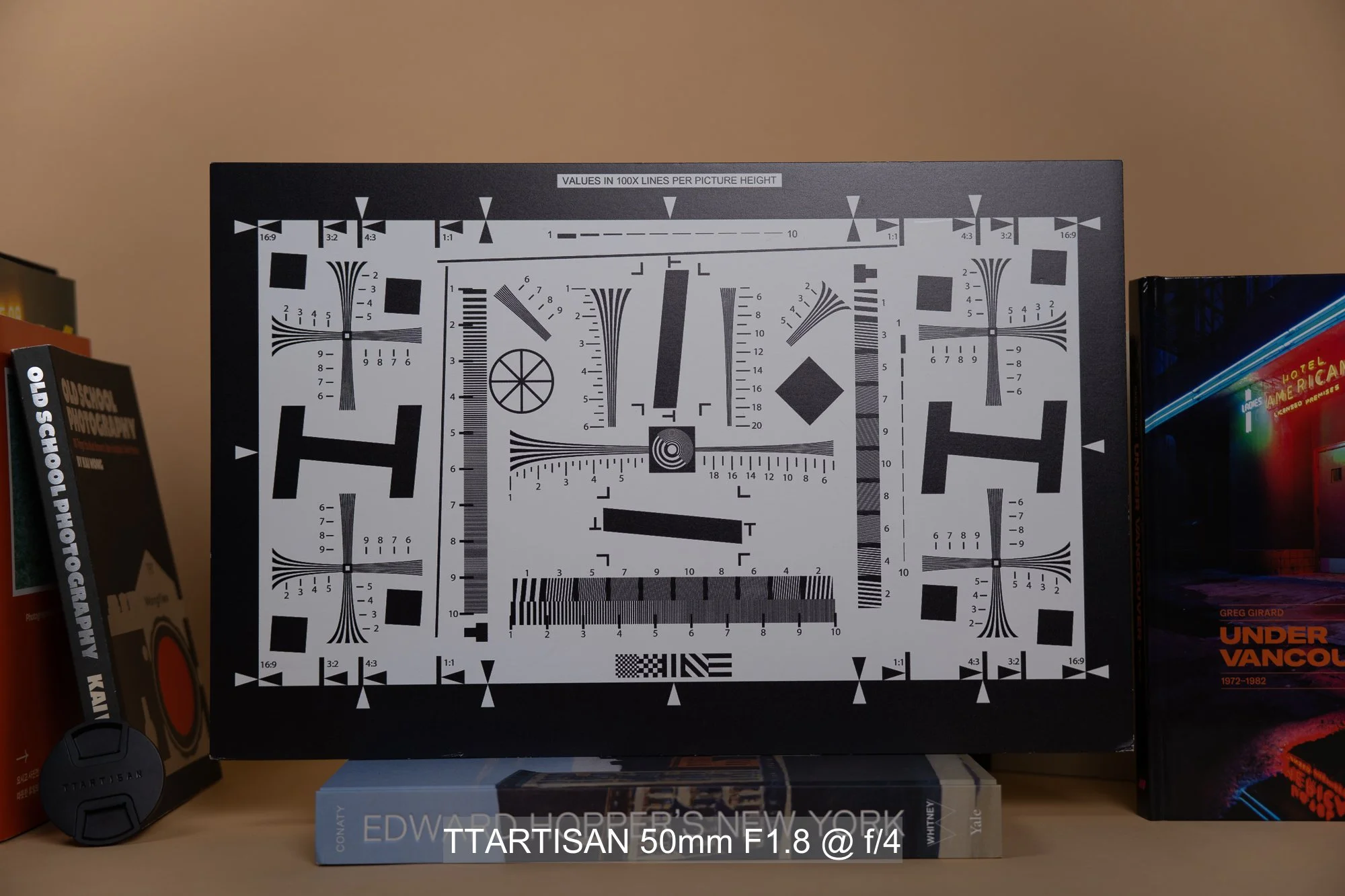
Center sharpness at f/1.8 is soft, and image quality falls off further toward the edges of the frame. Chromatic aberration and vignetting are both obvious wide open, which is surprising given that TTArtisan built two ED elements into the optical design specifically to control color fringing.
Shooting at f/1.8 also introduces a halation effect around the brightest parts of the frame. In the example images below, the highlights take on a soft glow and begin to clip. This is the most noticeable trade-off when shooting at wider apertures. With budget coatings and optics, expect some compromises in flare control and sharpness.



The sweet spot is f/4, where sharpness becomes solid and chromatic aberration and vignetting largely clean up. This is a lens best enjoyed without pixel peeping, and the portraits I shot between f/1.8 and f/2.8 look great on a phone screen, which is where most of these photos will end up anyway.
MTF Chart
Autofocus:
For still photography, autofocus is decent and locks on reliably in good light. Speed sits on the slower side for a third-party lens, so temper your expectations if you’re coming from more expensive glass.
Video is where the lens shows its limits. When racking quickly between subjects, the TTArtisan pauses to double-check focus before settling on the new focal plane.
Tap-To-Focus AF
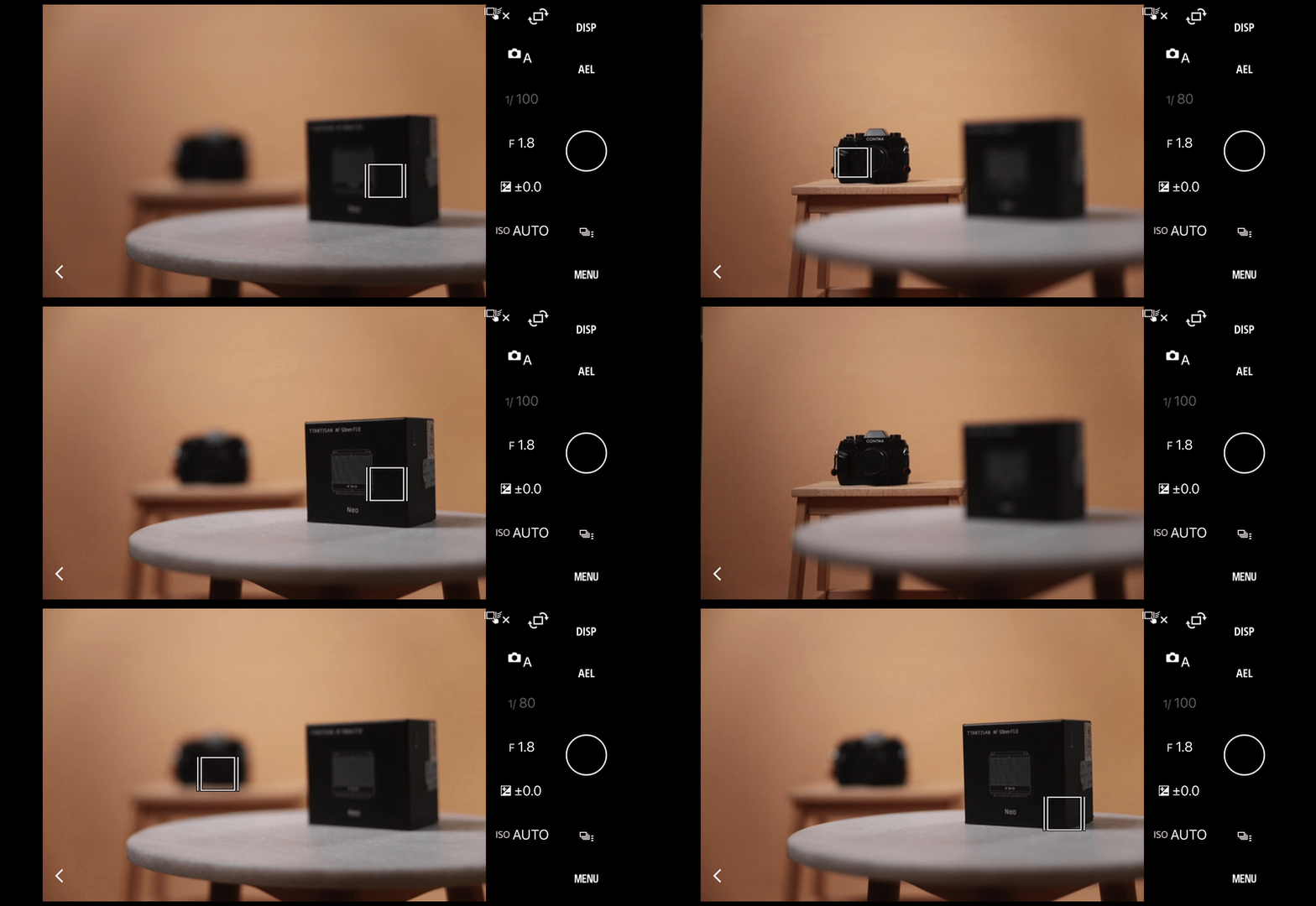
Notice the TTArtisan taking a moment to adjust before it locks focus. For video, I’d avoid situations that require fast transitions between subjects. Once the lens is locked onto a single subject for the duration of a shot, it holds focus well.
Sharpness:
As I mentioned earlier, the TTArtisan is soft wide open, which is a fair trade-off for an $89 lens.
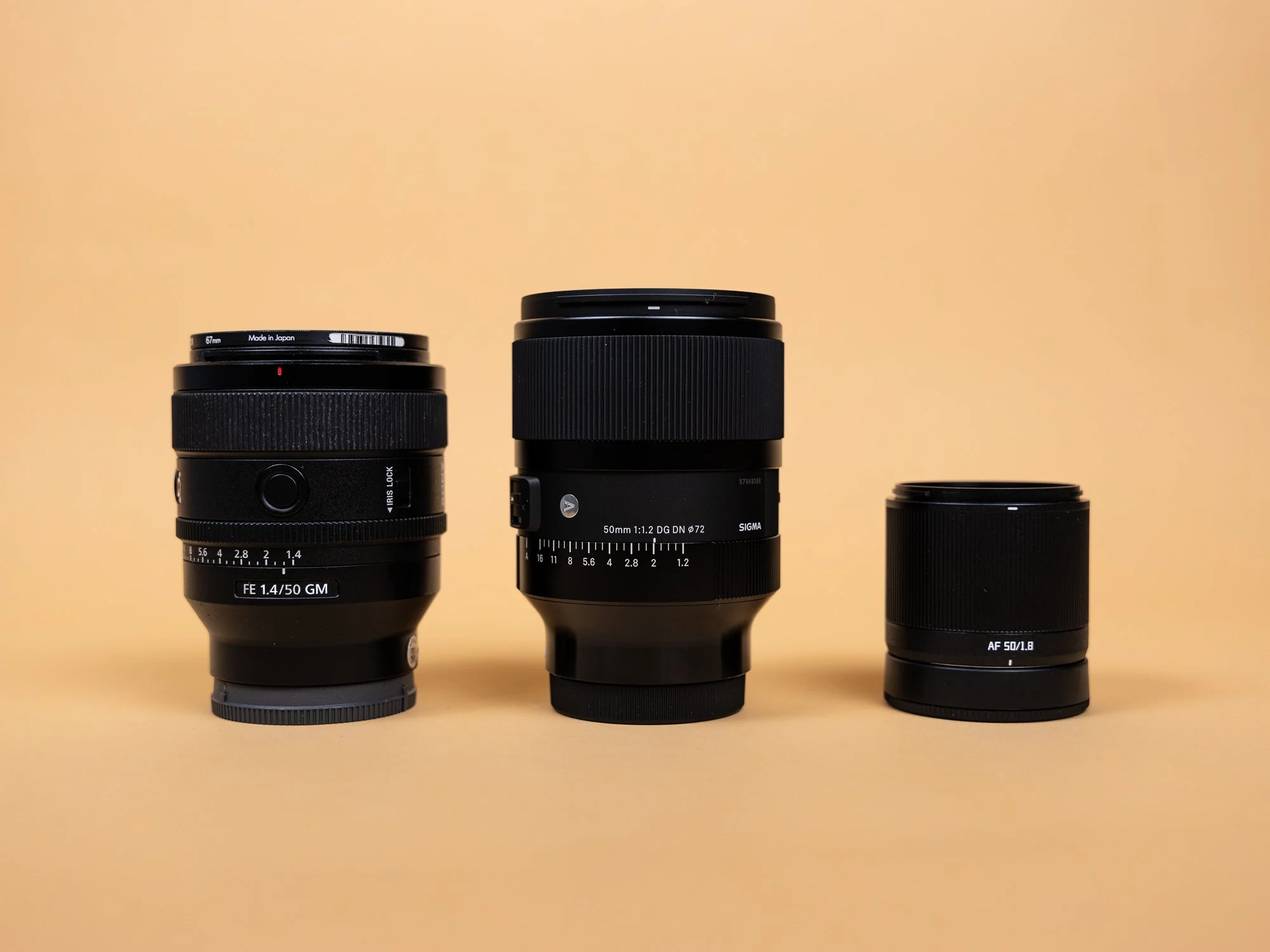
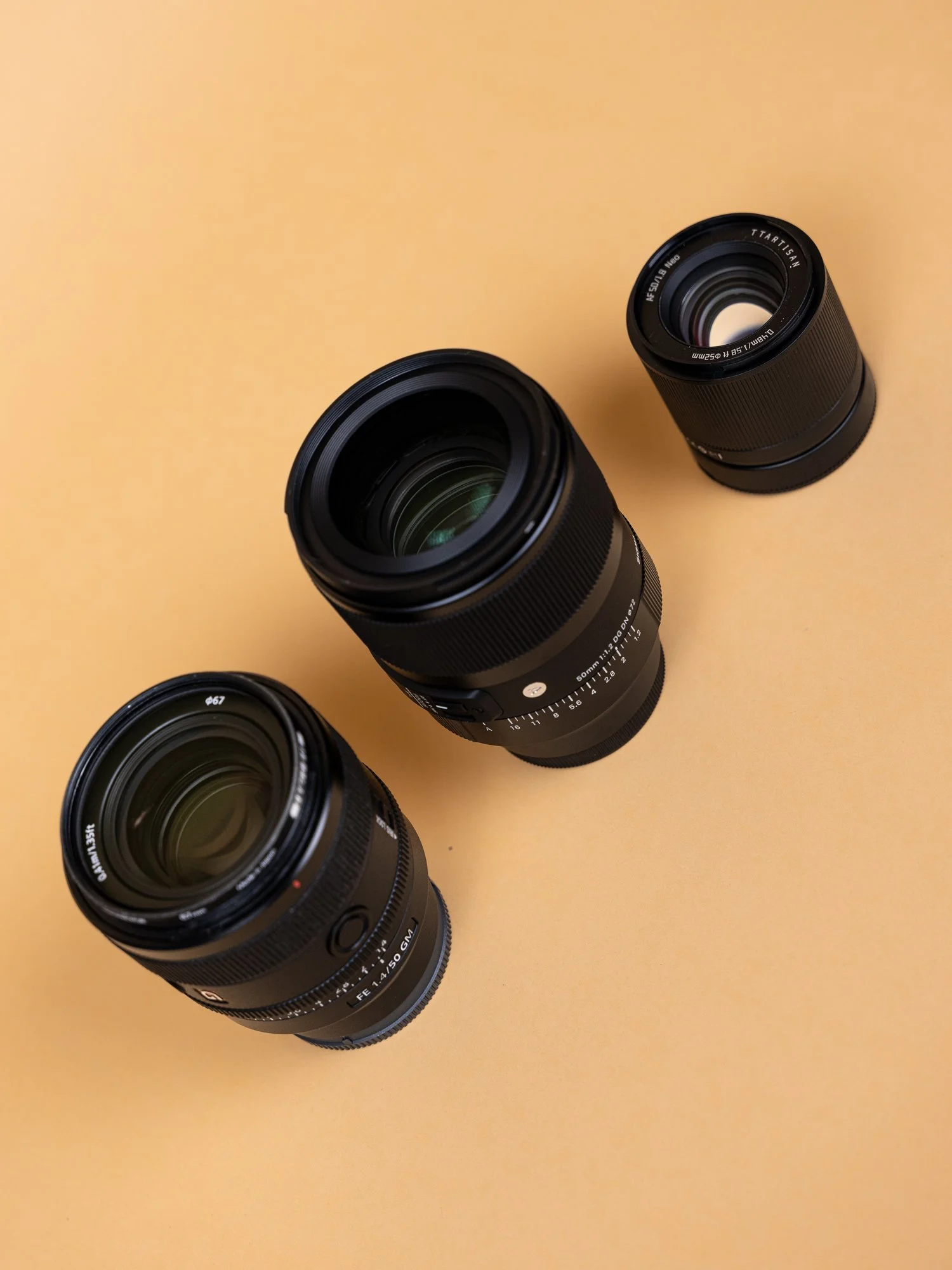
For a fun test, I put the TTArtisan AF 50mm f/1.8 Neo up against two of the best 50mm primes available for Sony E-mount: the Sony FE 50mm f/1.4 GM and the Sigma 50mm f/1.2 DG DN Art. Both cost well over ten times as much as the TTArtisan. To keep the comparison fair, I shot every test at f/1.8, the TTArtisan's widest aperture.
Size comparison between the three 50mm prime lenses.
Sony 50 1.4 GM vs Sigma 50 f1.2 Art vs TTArtisan 50 f1.8 @ f/1.8
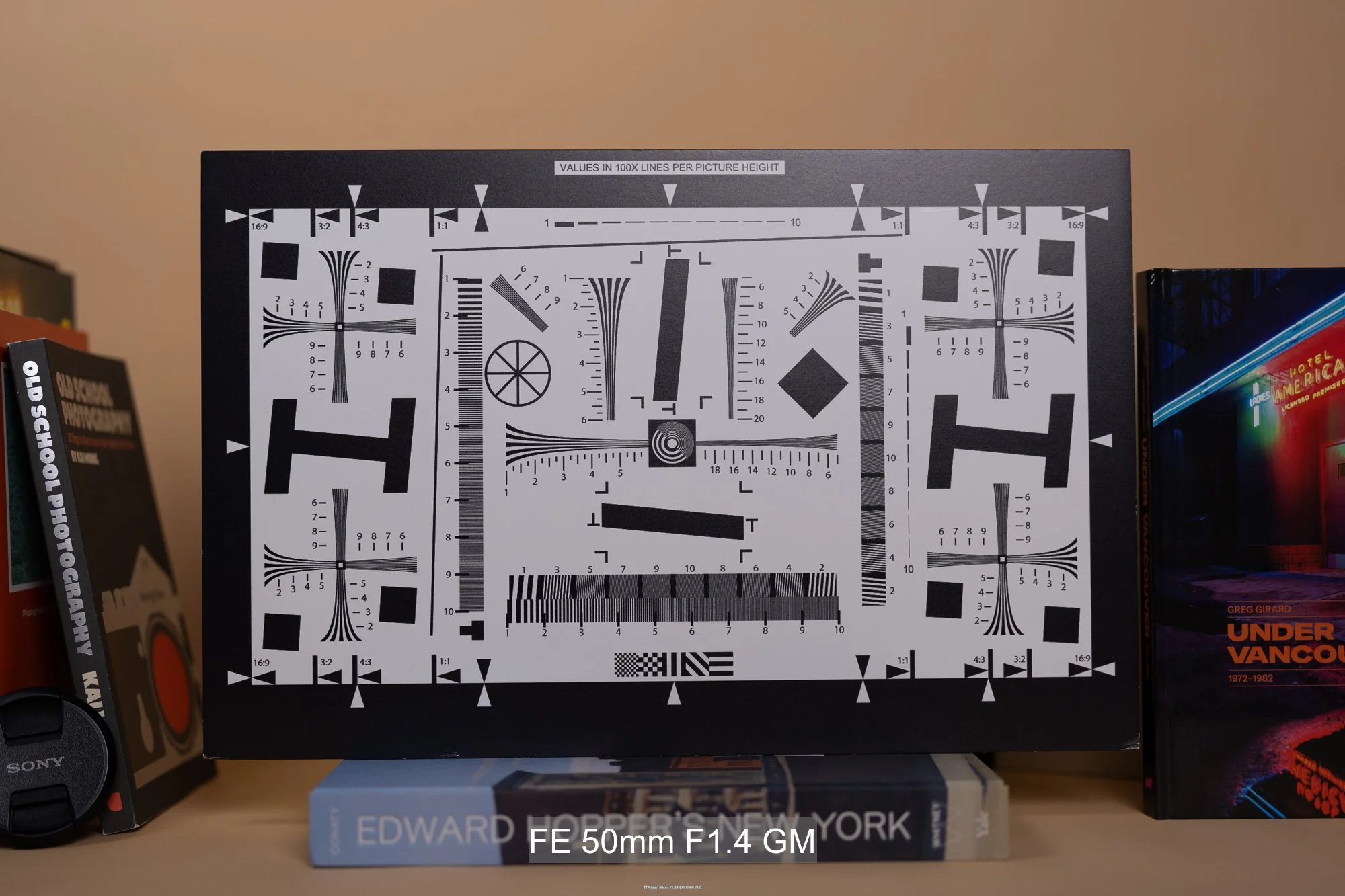
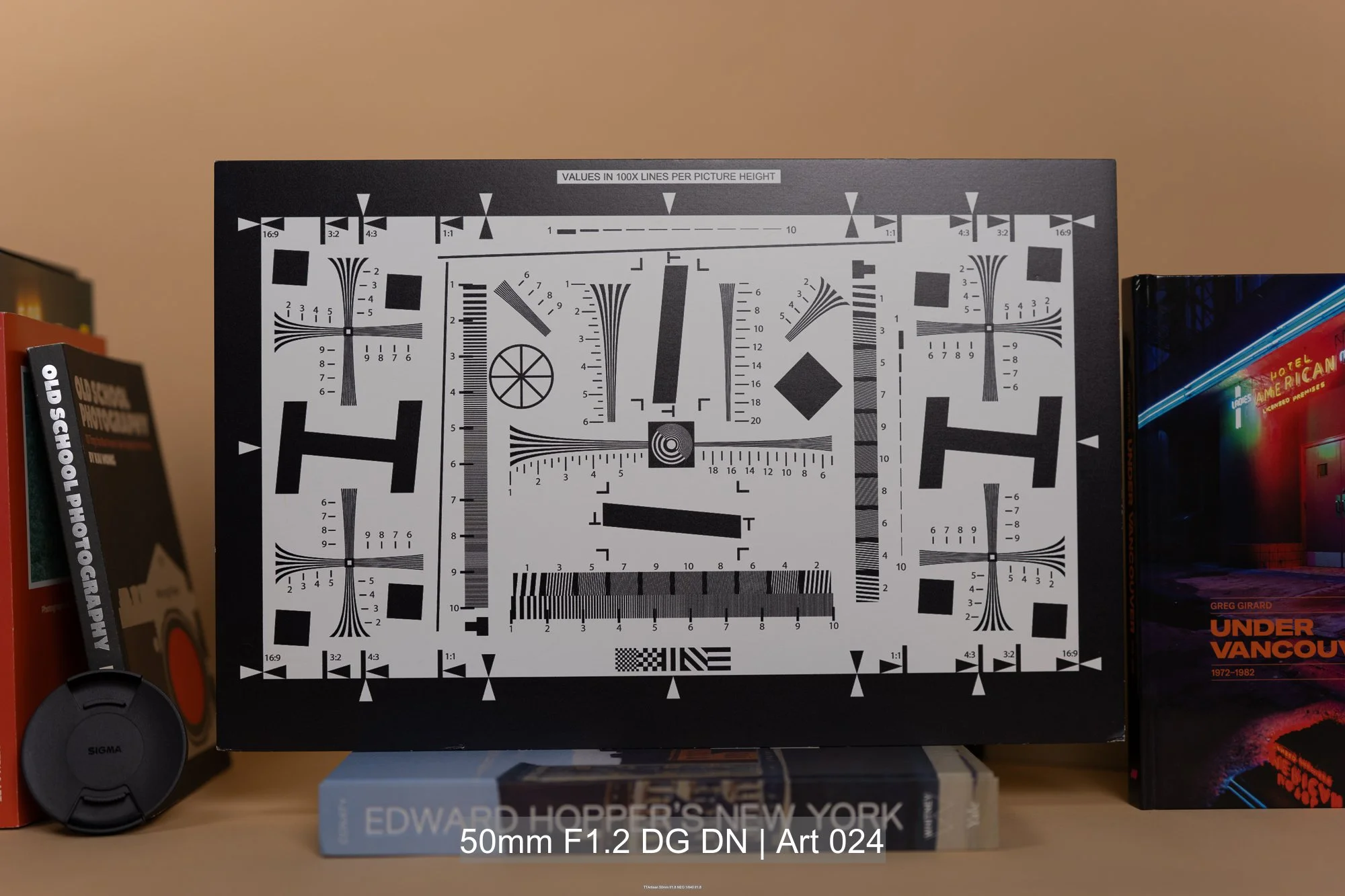
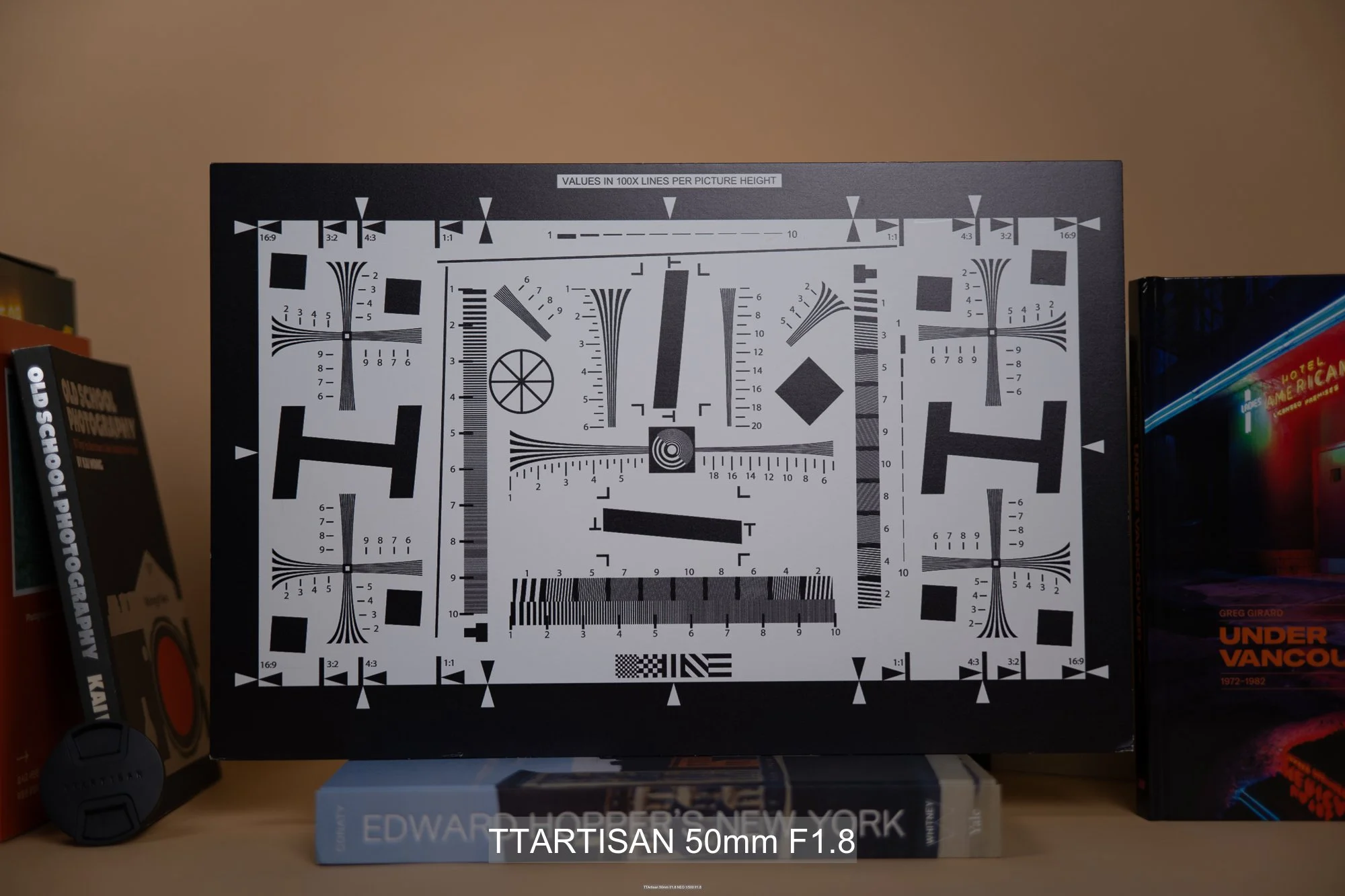
Sony 50 1.4 GM vs Sigma 50 f1.2 Art vs TTArtisan 50 f1.8 @ f/1.8
CENTER
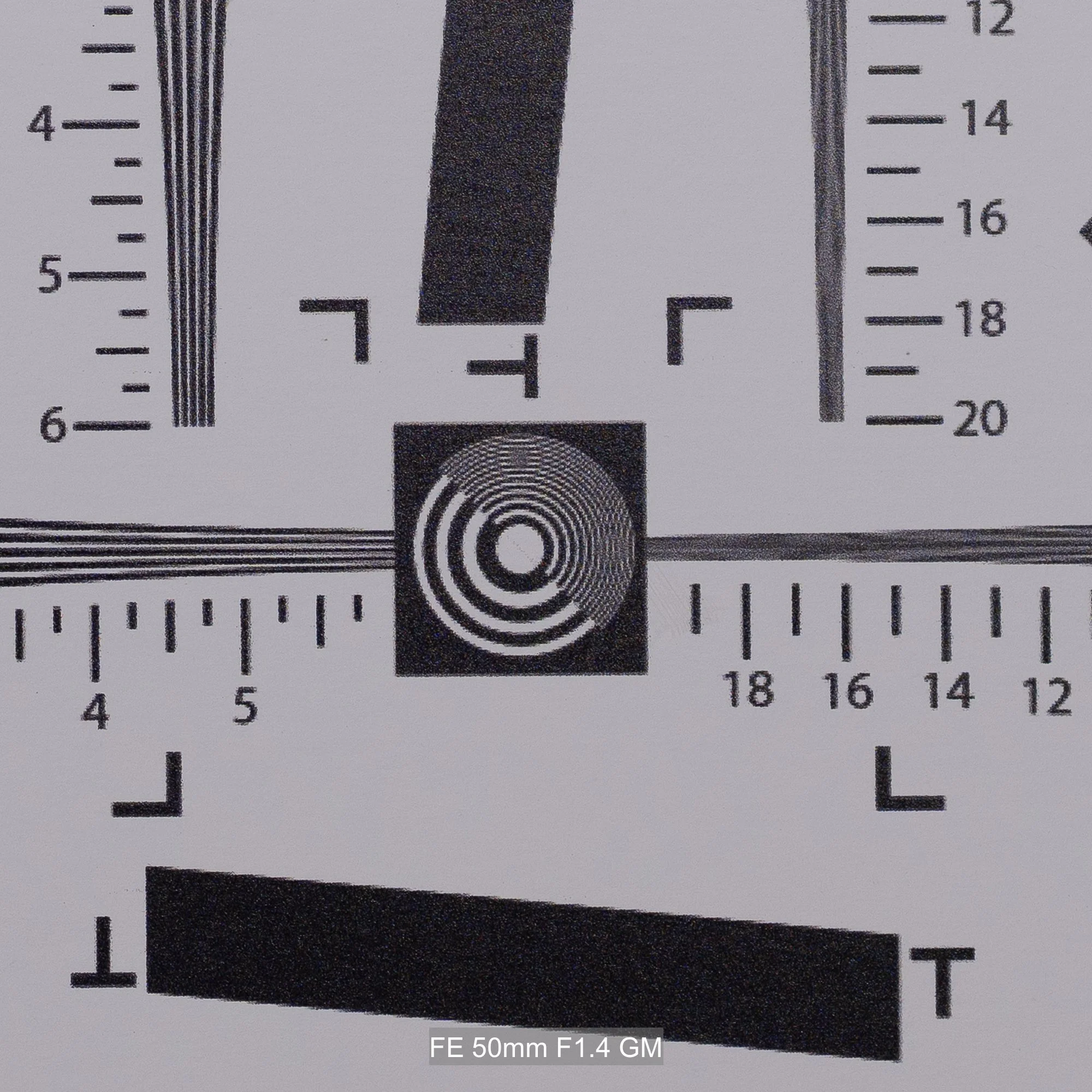
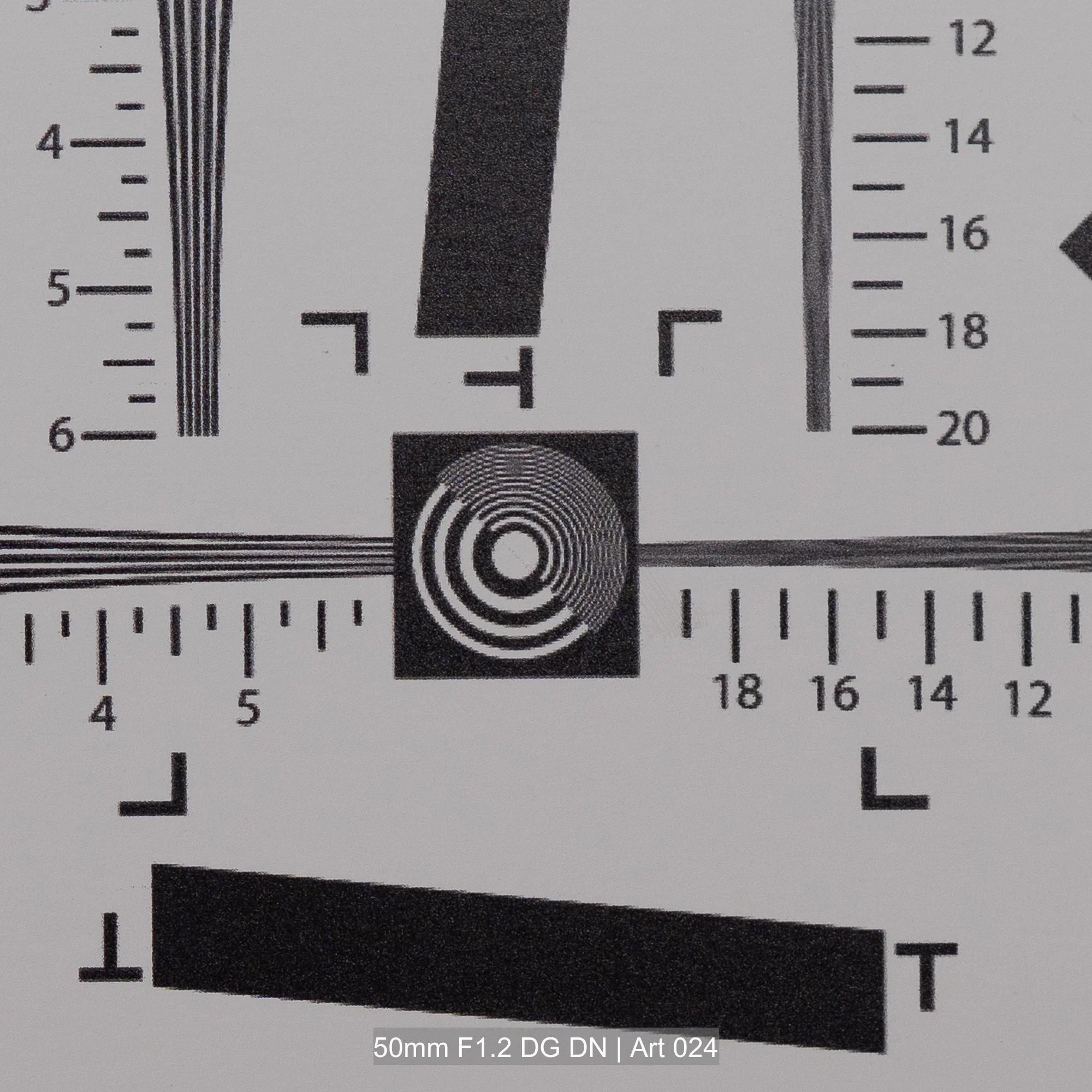
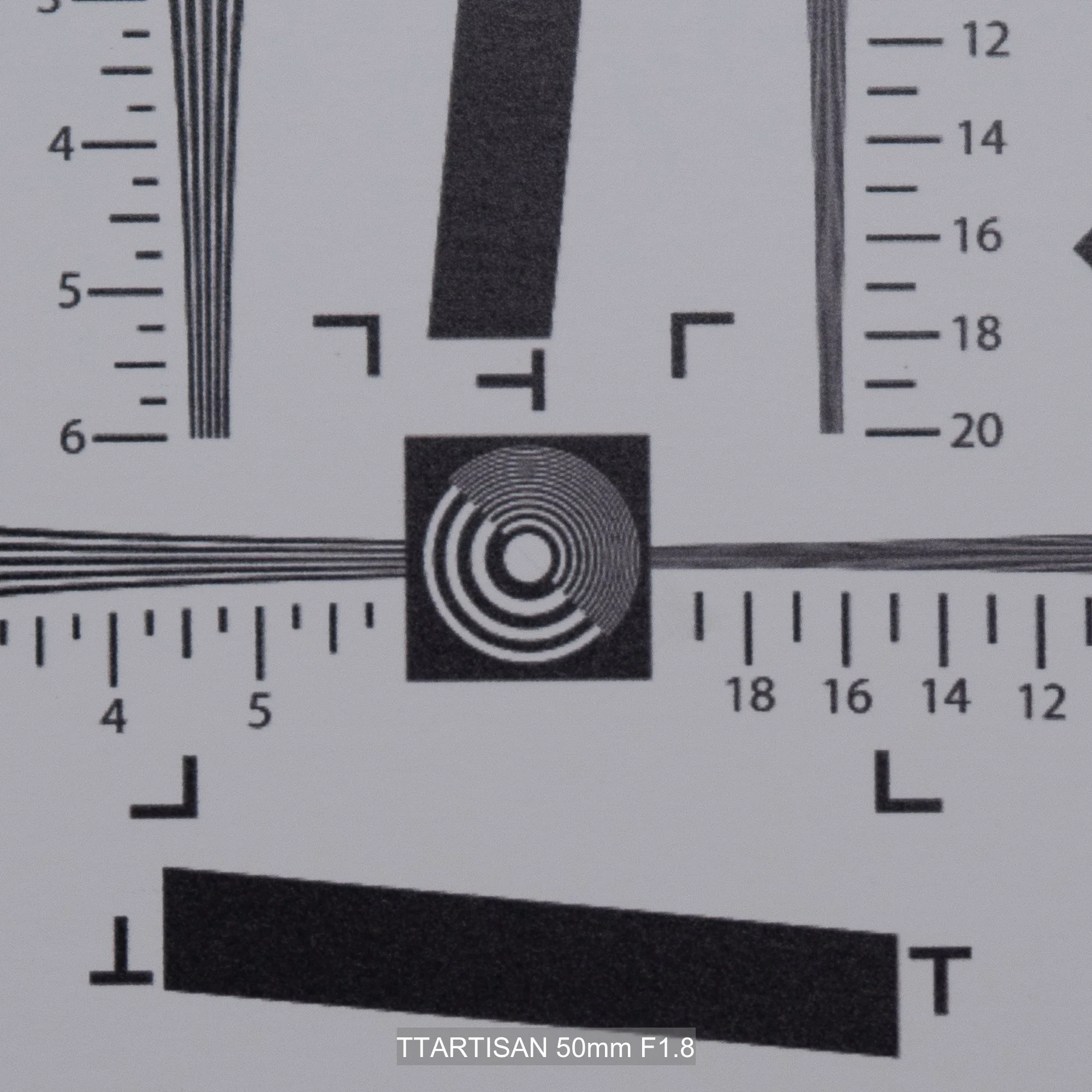
Sony 50 1.4 GM vs Sigma 50 f1.2 Art vs TTArtisan 50 f1.8 @ f/1.8
MID-FRAME
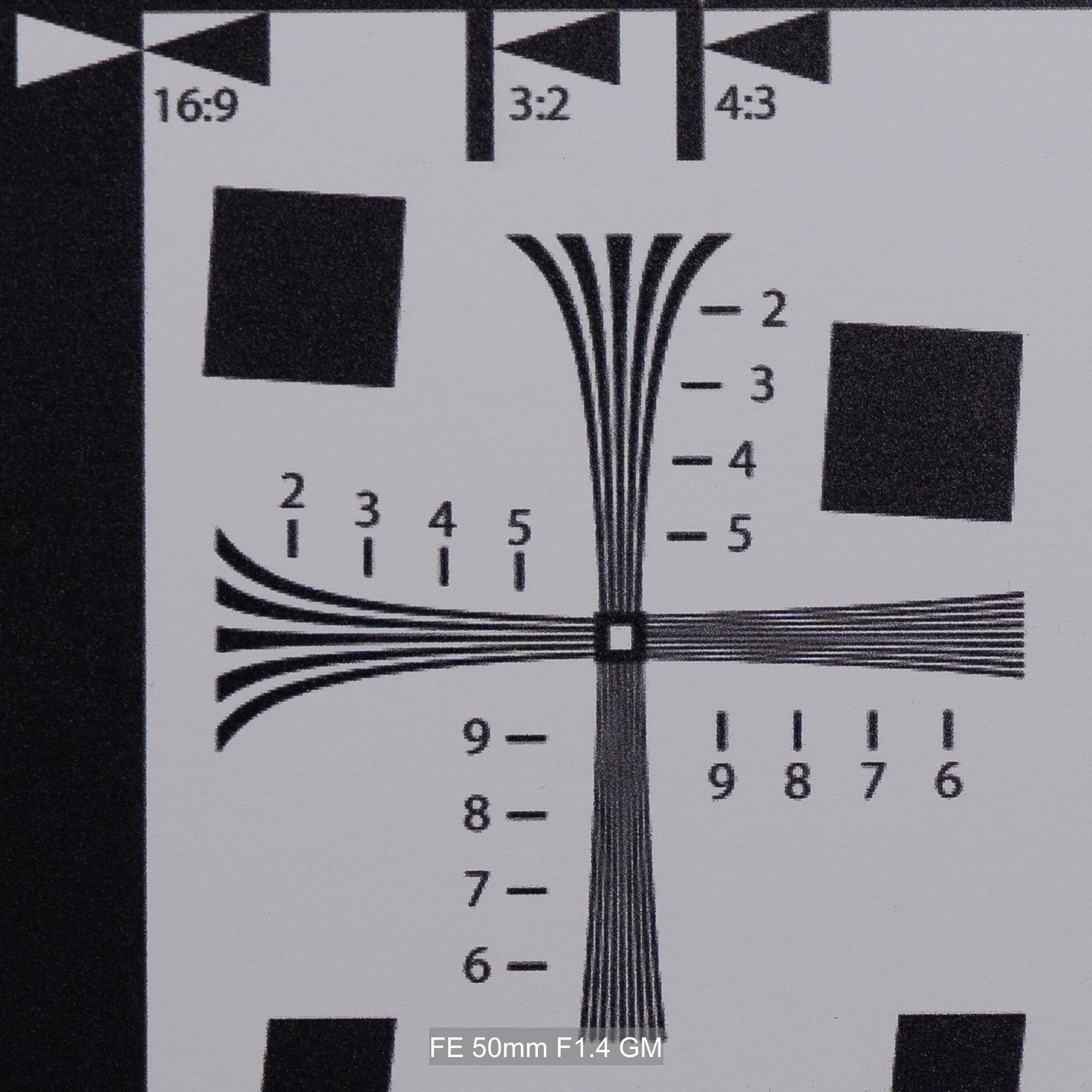
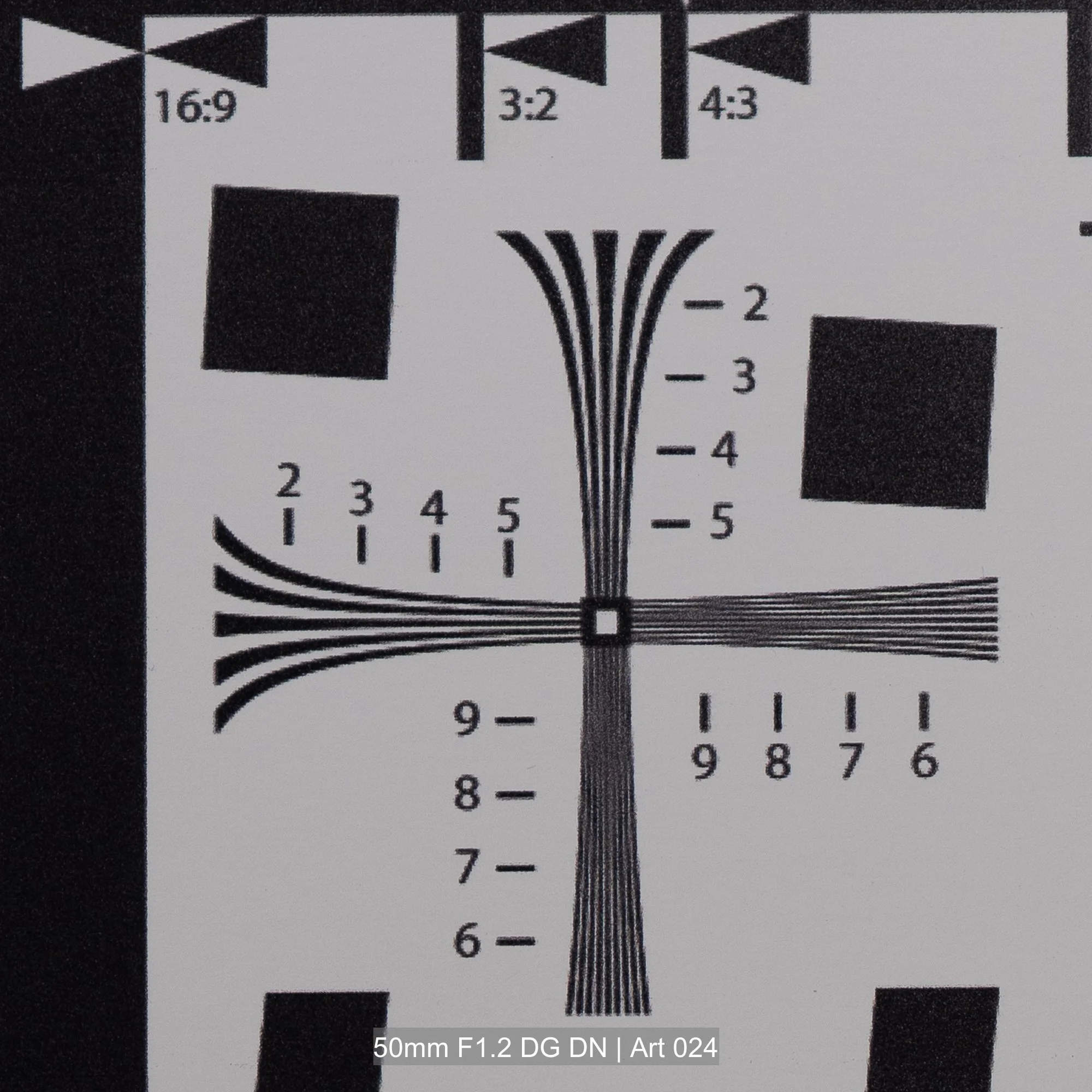
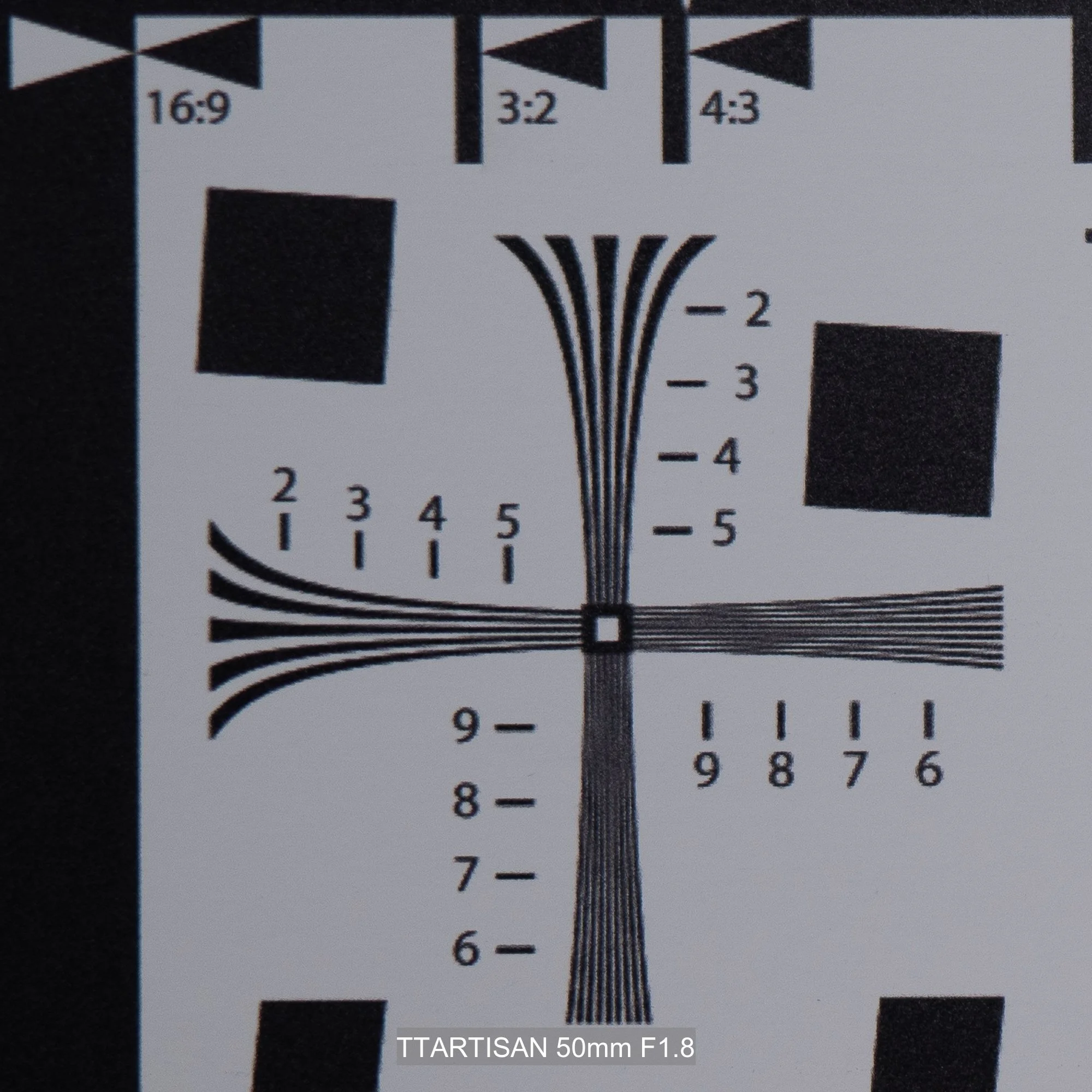
Sony 50 1.4 GM vs Sigma 50 f1.2 Art vs TTArtisan 50 f1.8 @ f/1.8
EDGE
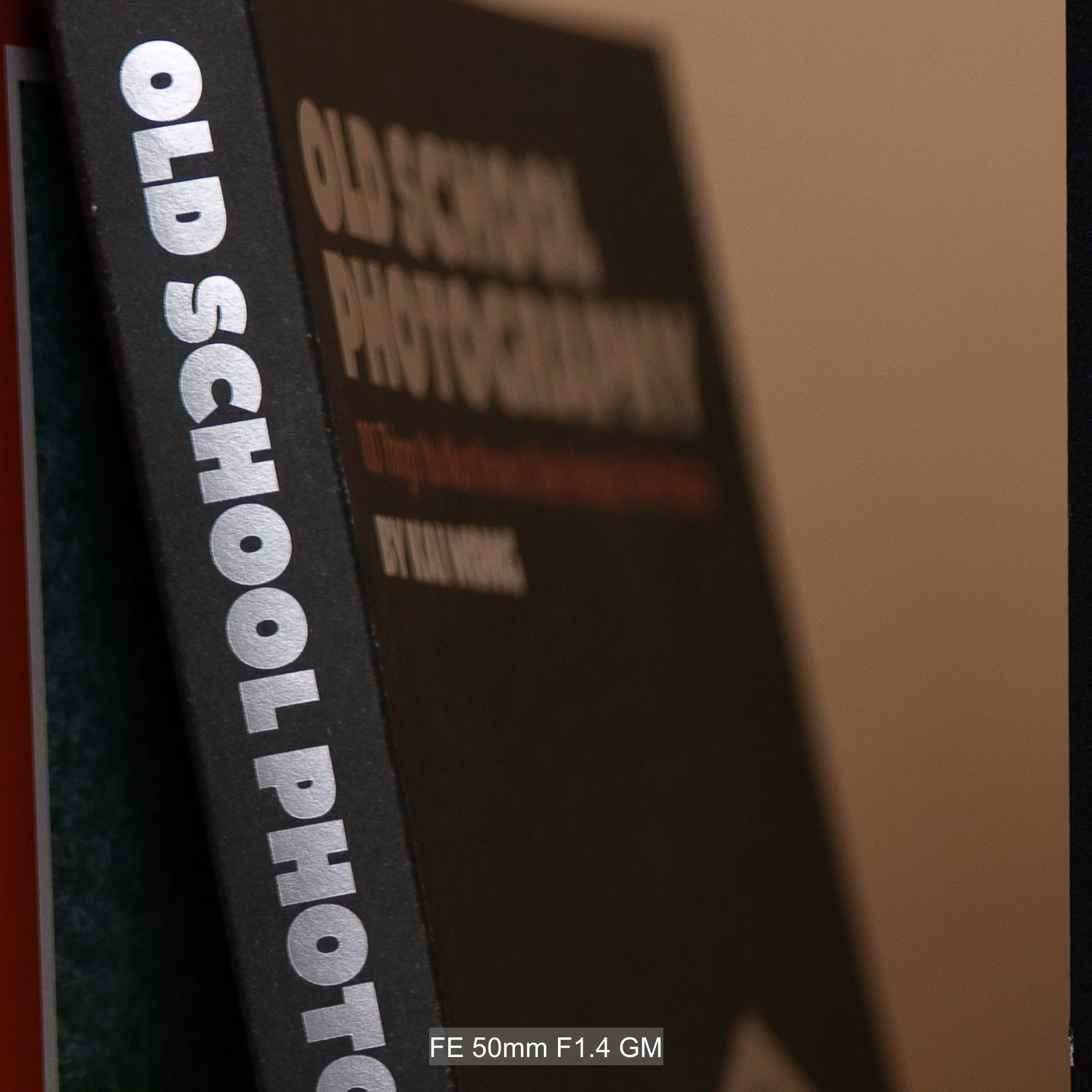
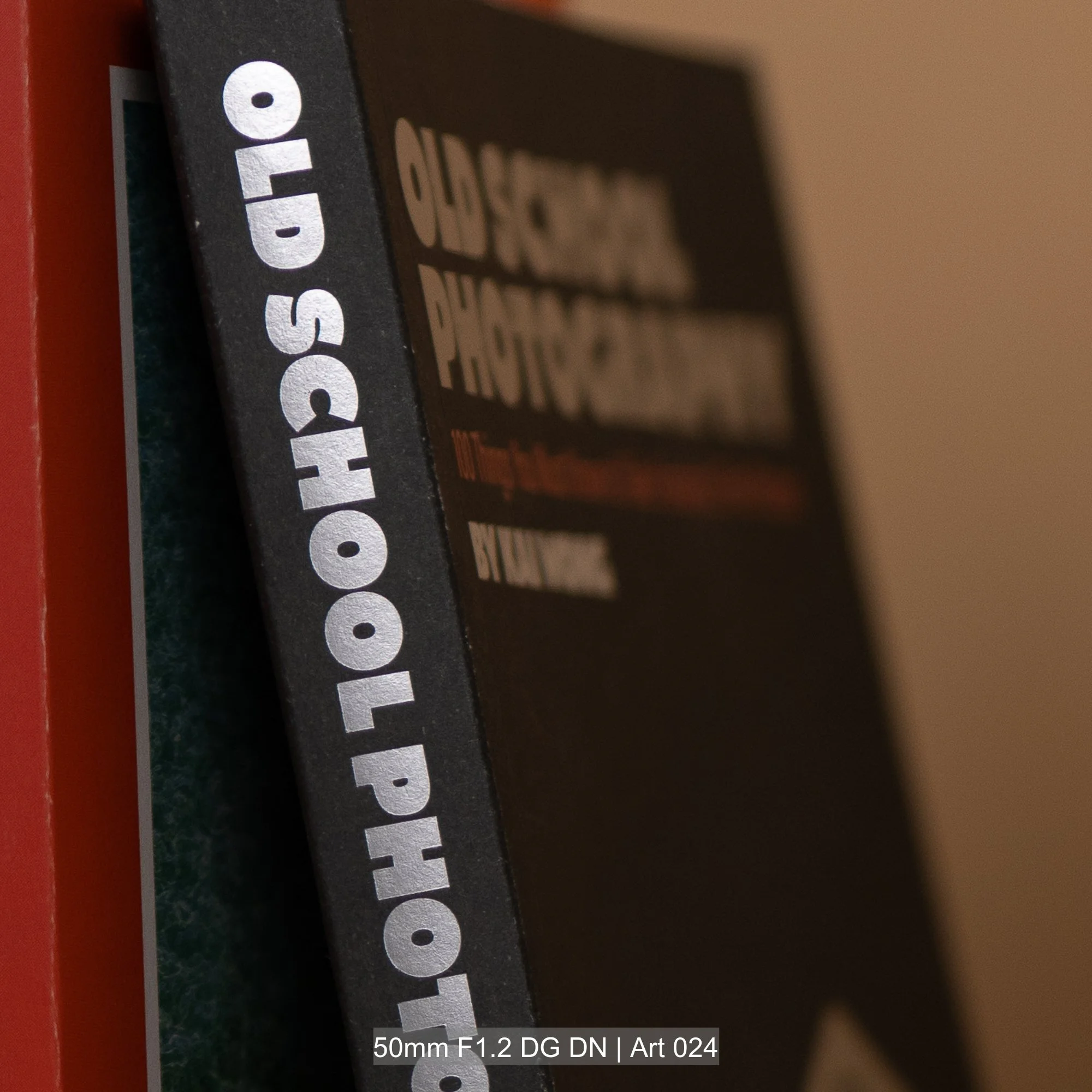
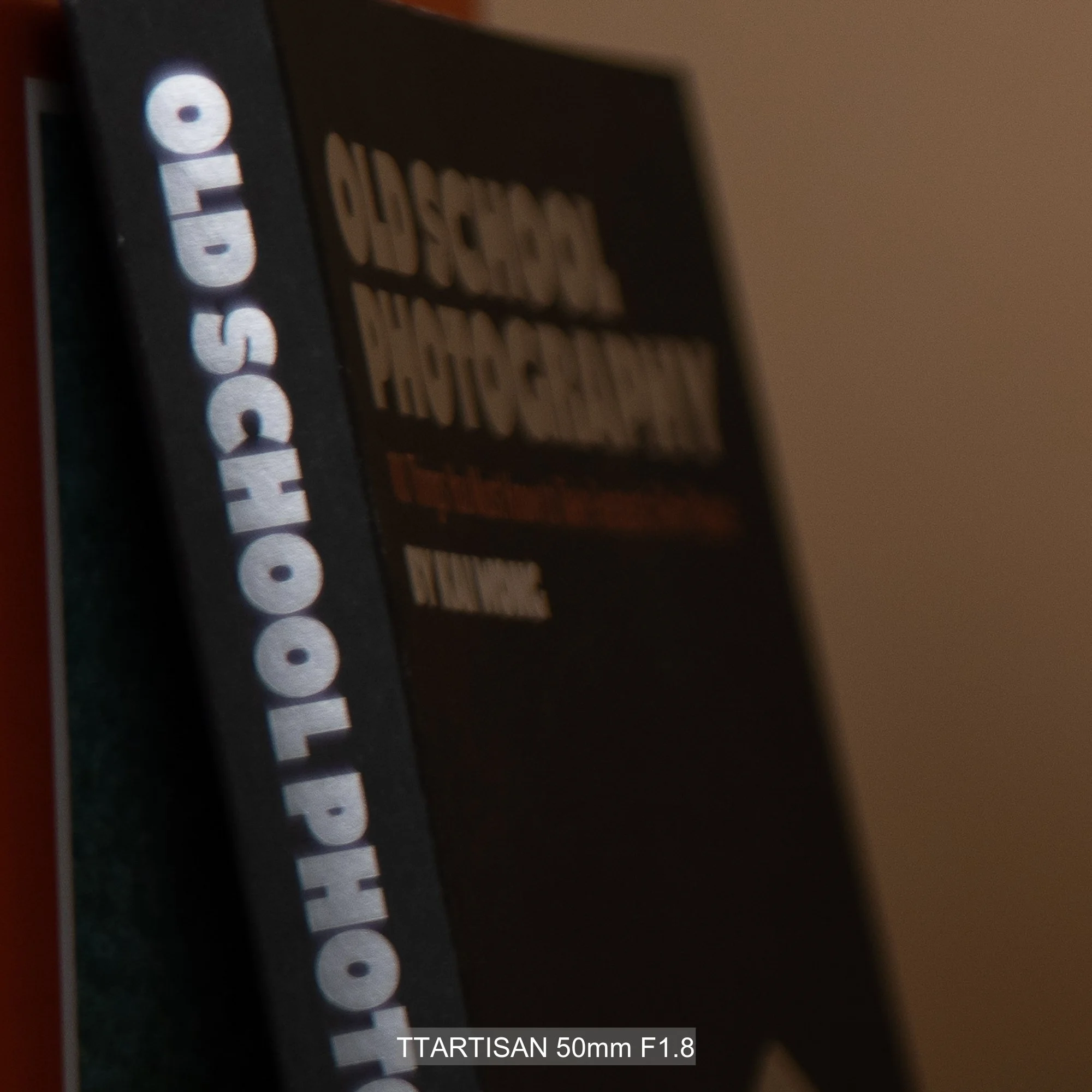
The Sony 50mm f/1.4 GM is the benchmark for a professional-grade 50mm prime. It's extremely sharp across the center, mid-frame, and edges, with almost zero color fringing. The Sigma is also very sharp, though it renders with a warm color cast, and the Sony edges it out for overall clarity. The TTArtisan is noticeably softer than both, and fine lines start to lose definition toward the edges of the frame. The TTArtisan is very good at controlling color-cast and matches much closer to the Sony GM.
The Sony and Sigma are expensive premium lenses, so this was never meant to be a fair fight. The test is a useful way to see the full range of image clarity between a sub-$100 lens, the Sony GM at $1,398, and the Sigma Art at $1,539.
In the series of test charts below, you’ll see the TTArtisan begins to control the image sharpness and vignetting by f/4.0 and f/5.6.
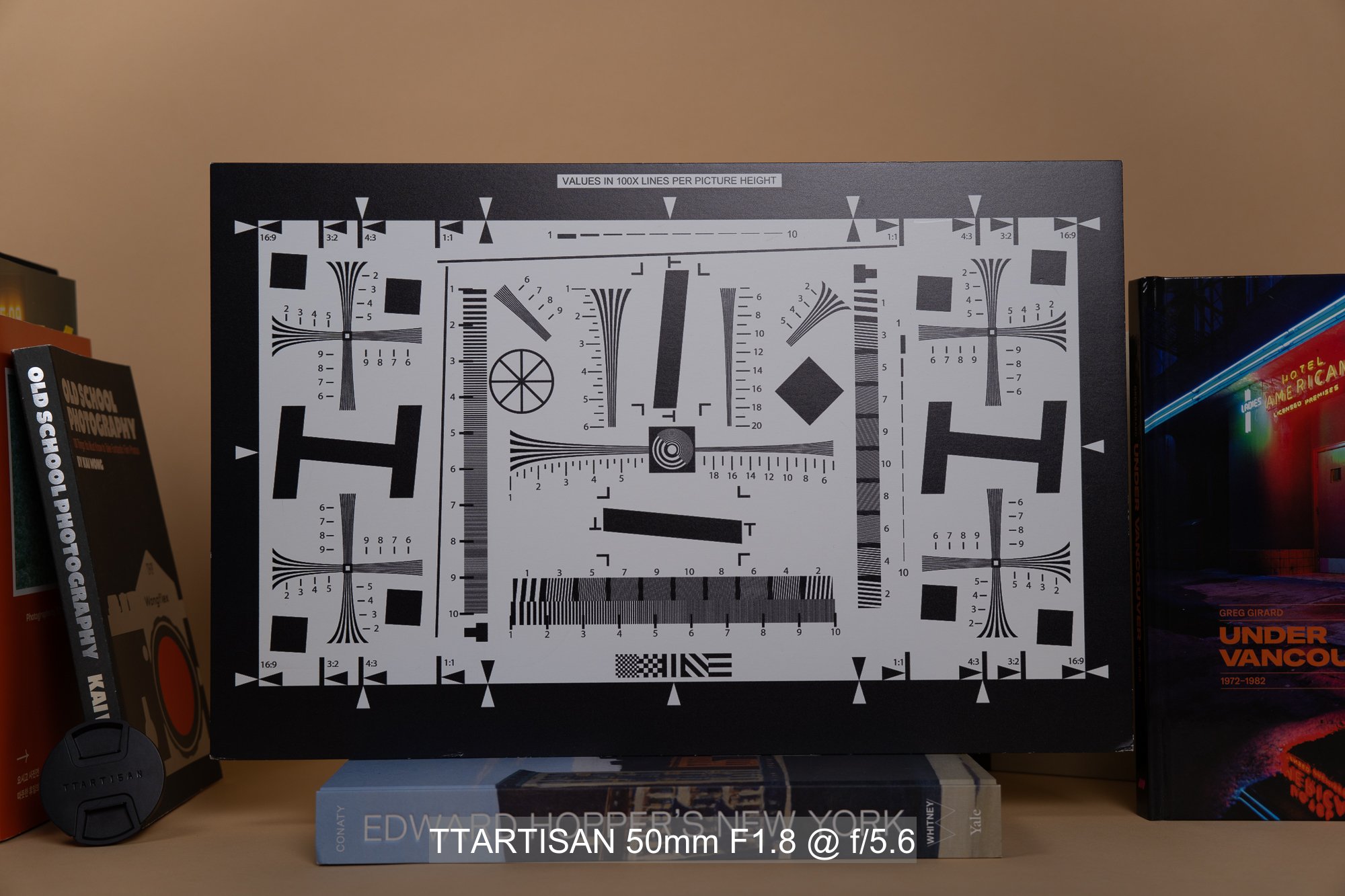
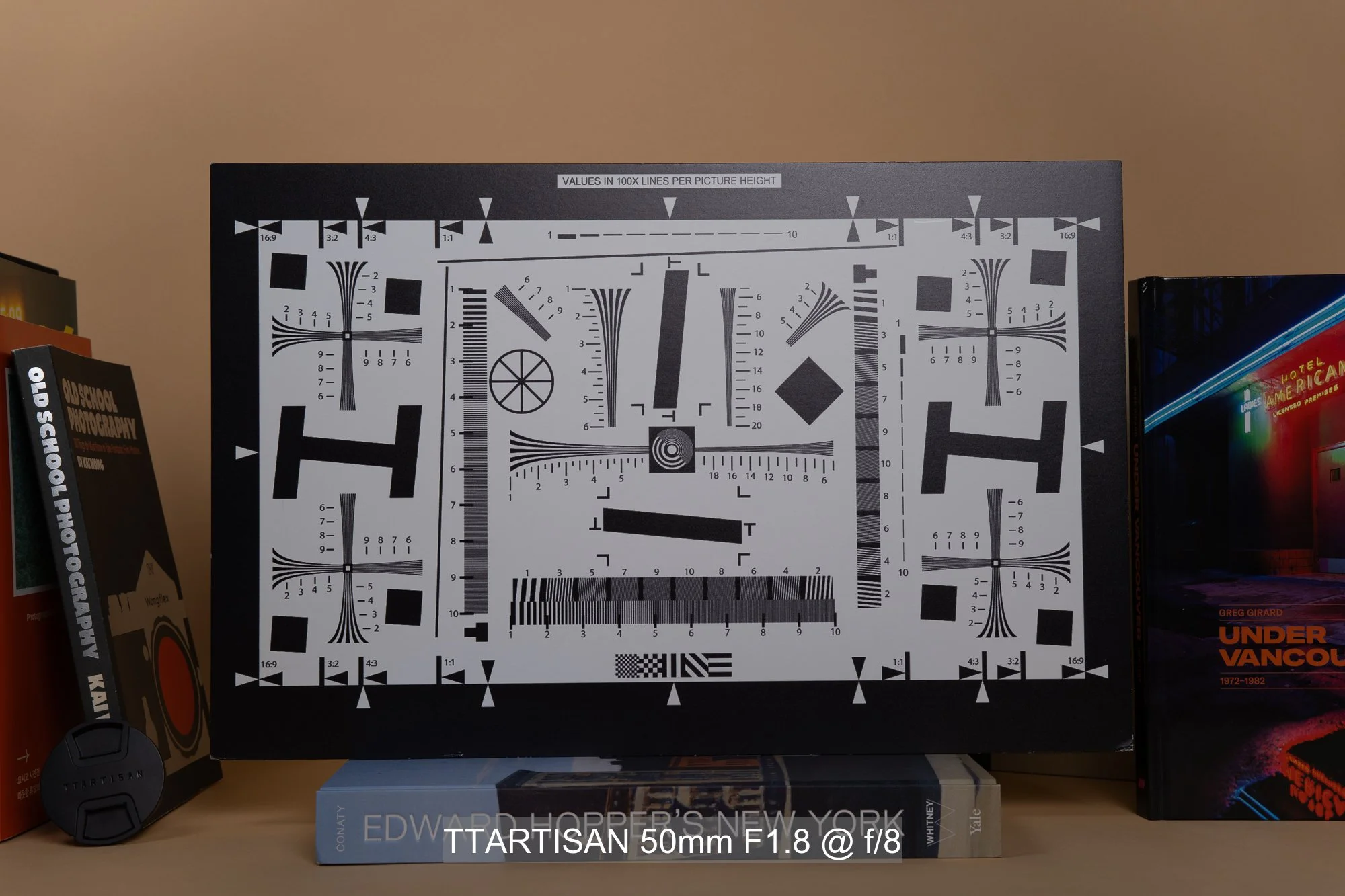
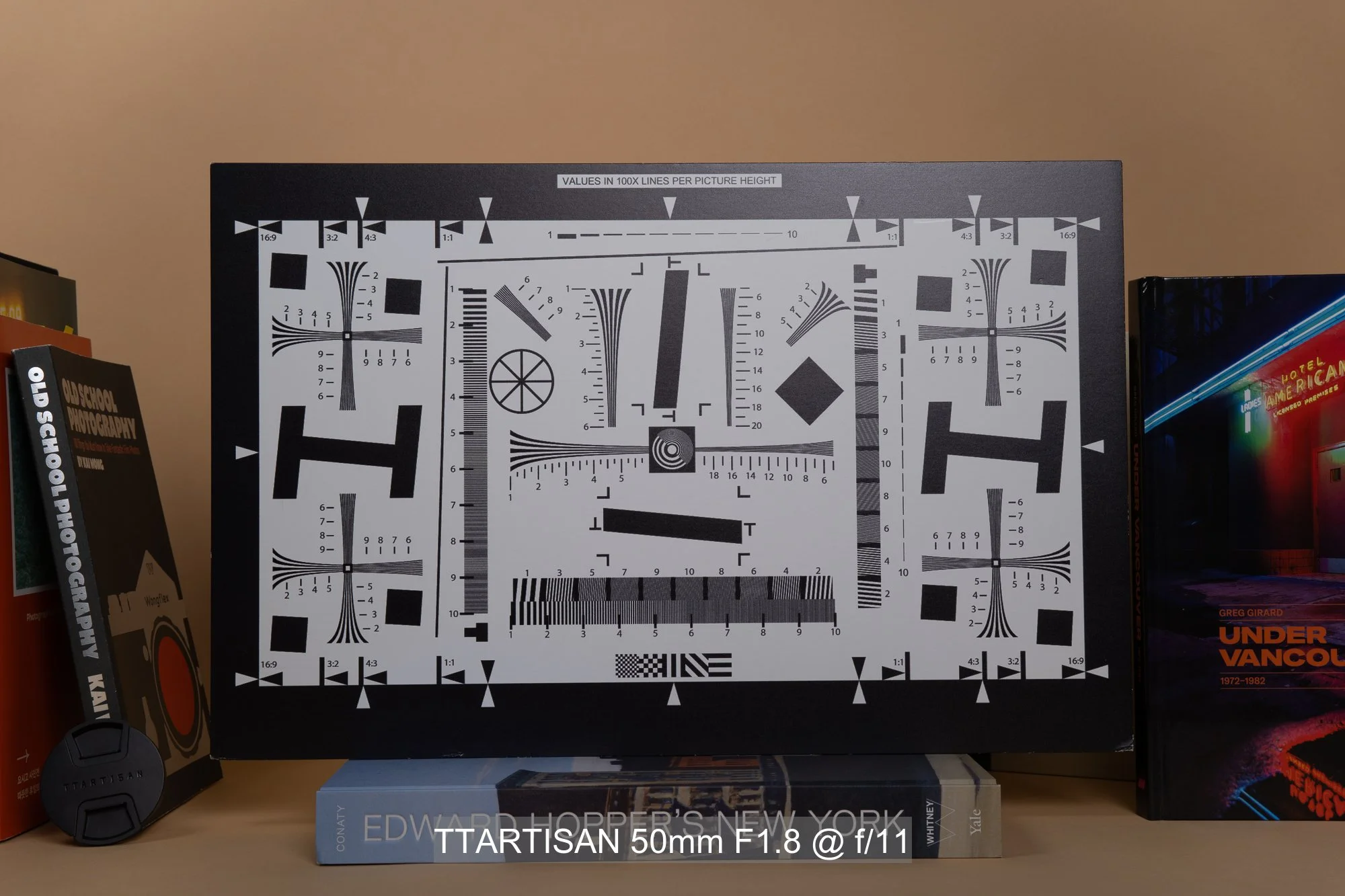
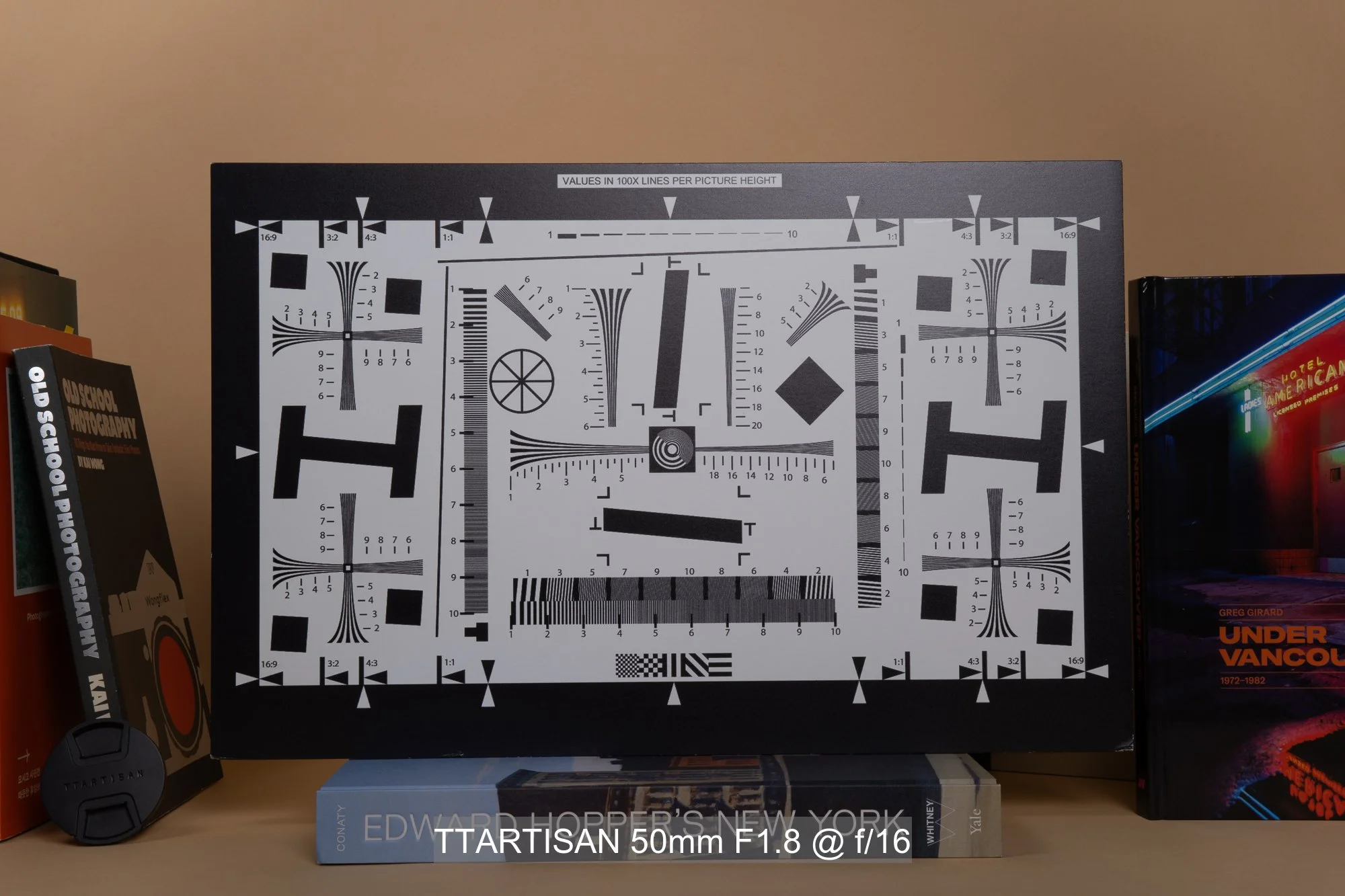
Bokeh:
The TTArtisan renders a surprisingly smooth background blur. Its f/1.8 aperture separates subjects cleanly from the background, and I was genuinely impressed by how well an $89 lens handles shallow depth of field. With seven aperture blades, bokeh balls stay fairly round wide open and take on a slightly polygonal shape as you stop down, while still producing pleasing out-of-focus highlights. There is a slight cats-eye effect at the edges of the frame, but it’s very minor.
Sony 50 1.4 GM vs Sigma 50 f1.2 Art vs TTArtisan 50 f1.8 @ f/1.8
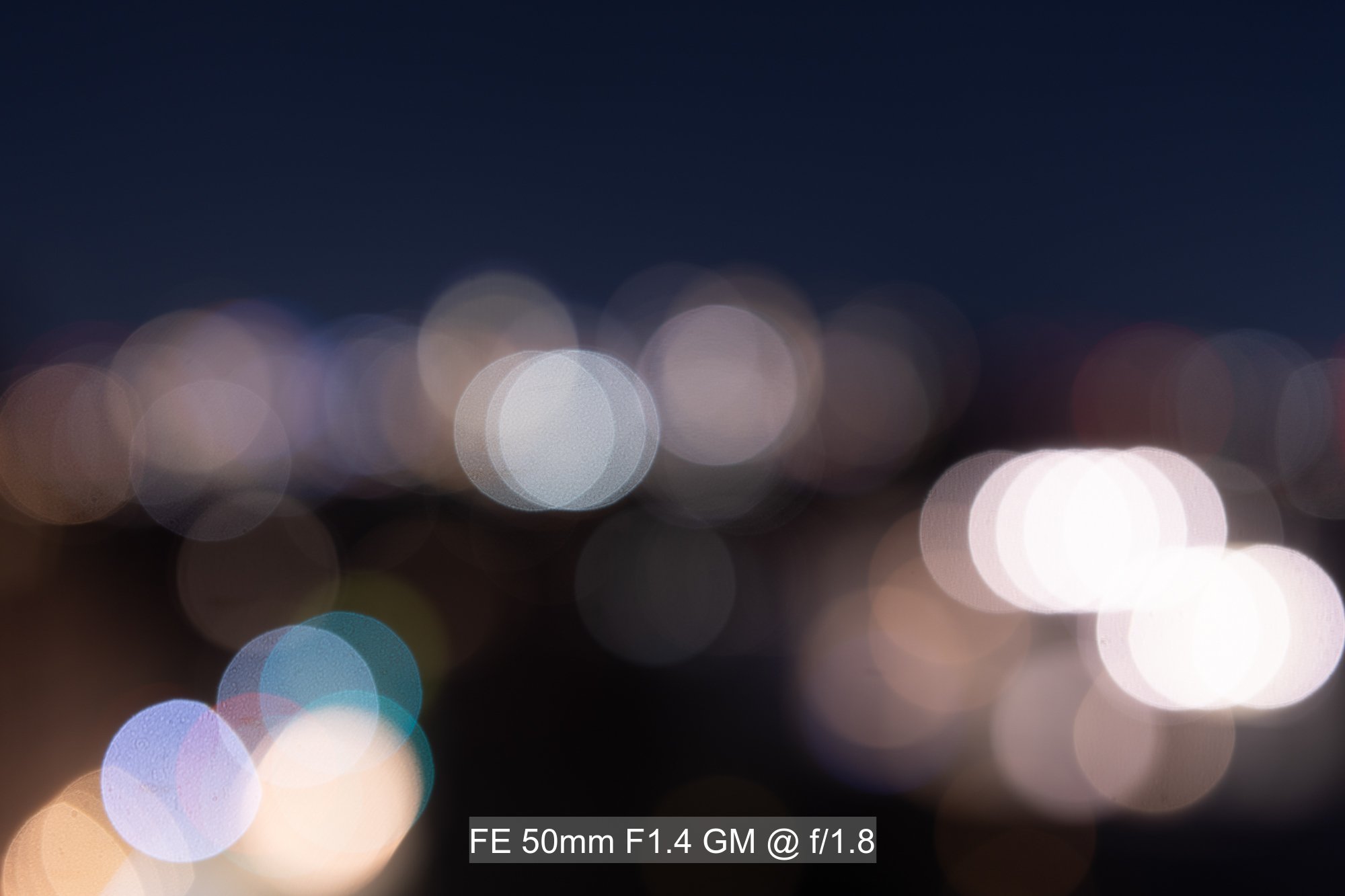
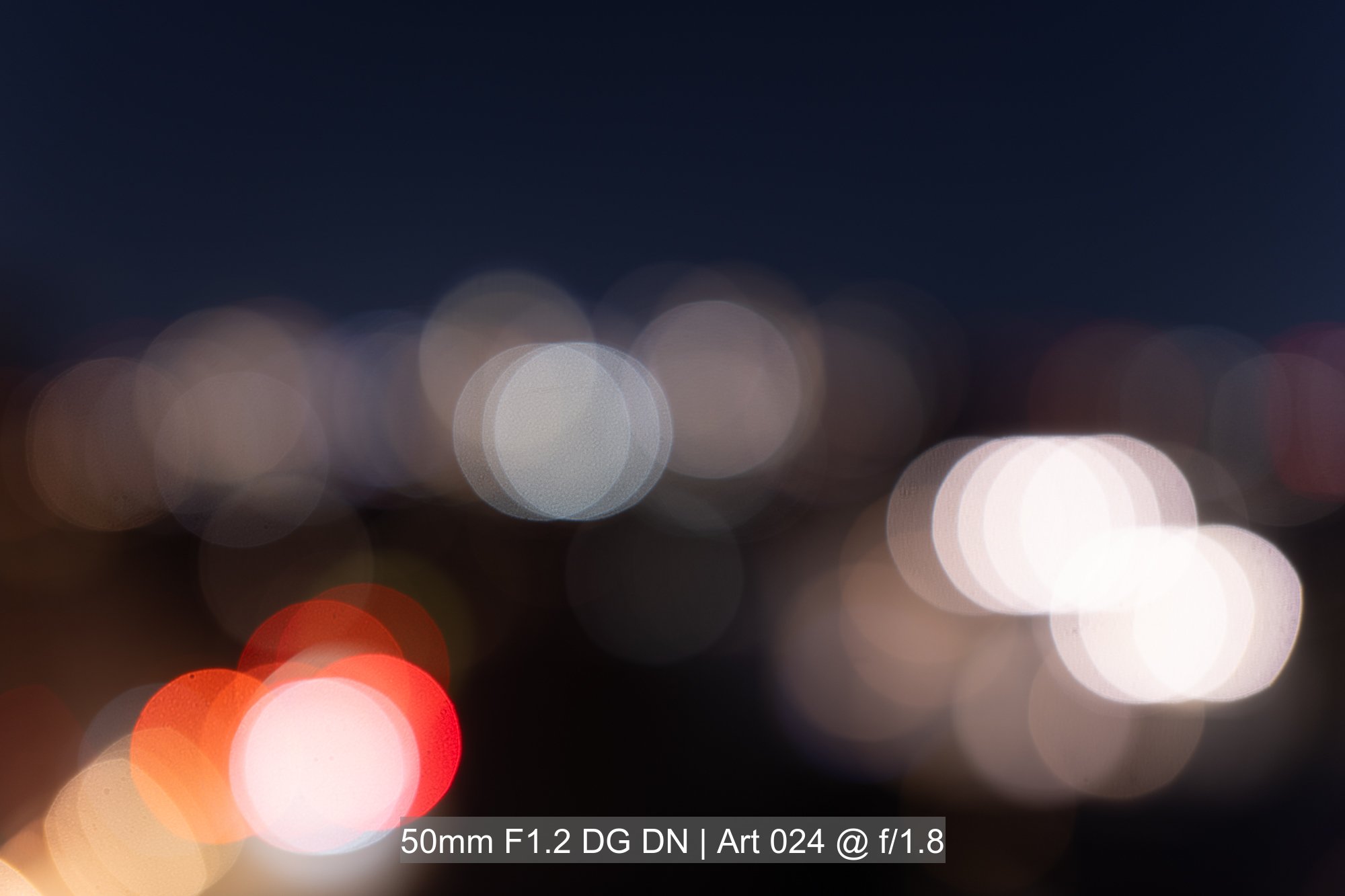
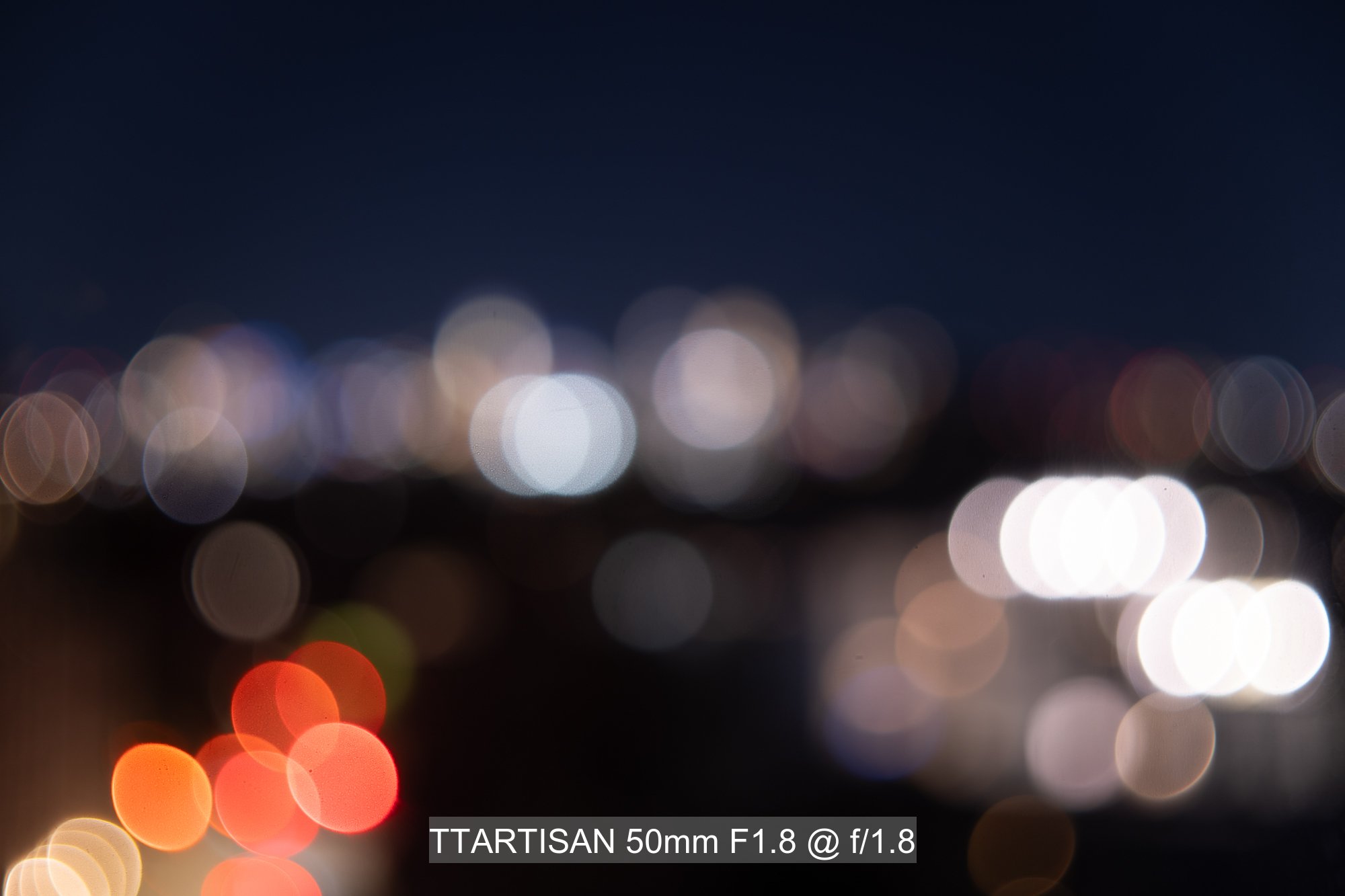
Next to its premium siblings from Sony and Sigma, the TTArtisan's out-of-focus areas look less refined, which is expected given the price gap. Even so, I'd still rate its bokeh balls as very good.
Flaring:
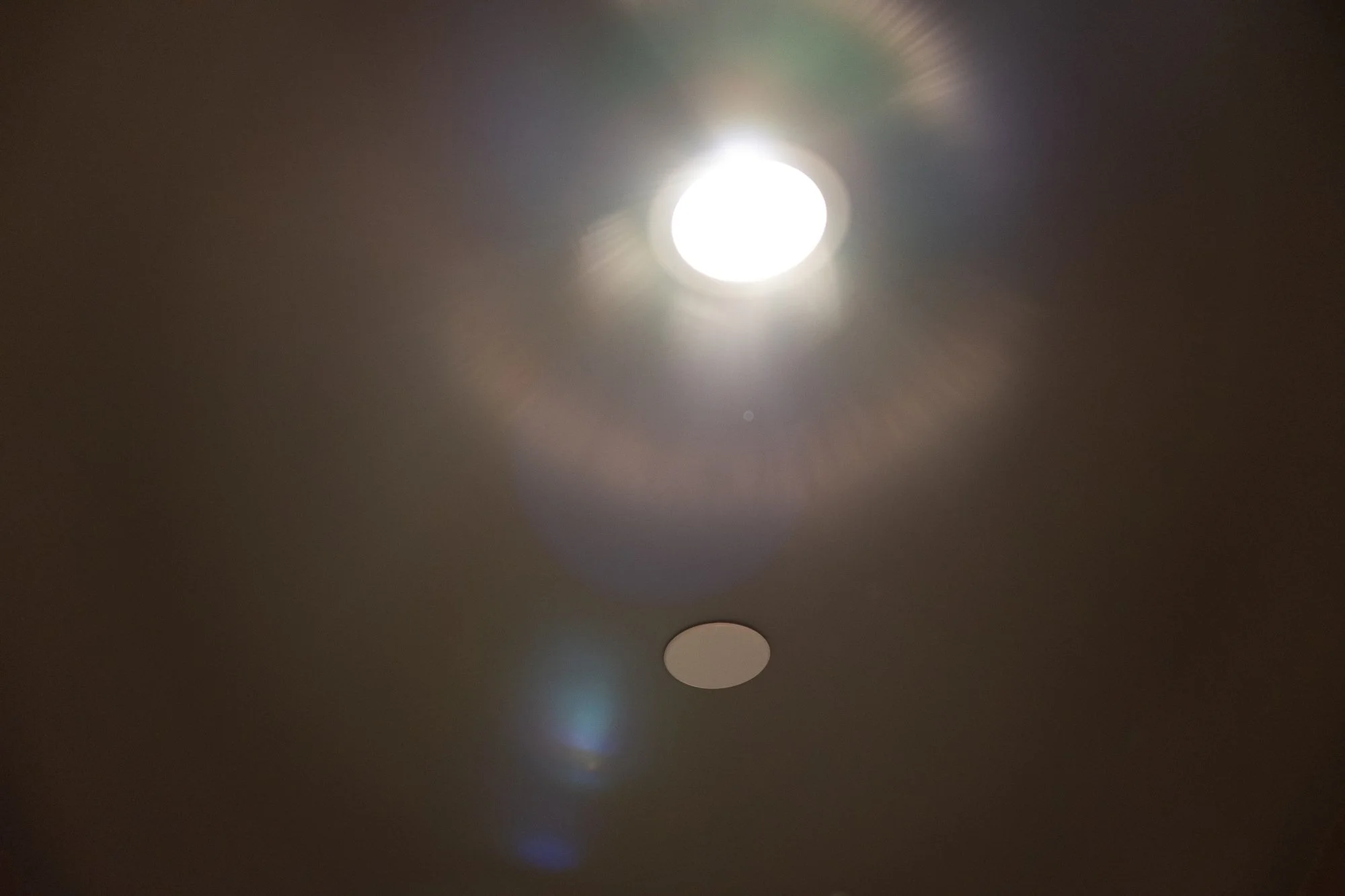
As with most budget third-party lenses, flaring is pronounced when the lens faces a strong light source. This is the category where premium lenses earn their price, thanks to their advanced optical coatings. In everyday shooting, I rarely encountered lens flares. It only became obvious when I pointed the lens directly at a light source, which produced clear flares and halos.
The subtler issue shows up in bright scenes, as I mentioned earlier. When shooting toward white objects or a bright sky, the coatings struggle to control the stray light, and highlights take on a glowing halo that can make those areas look blown out.
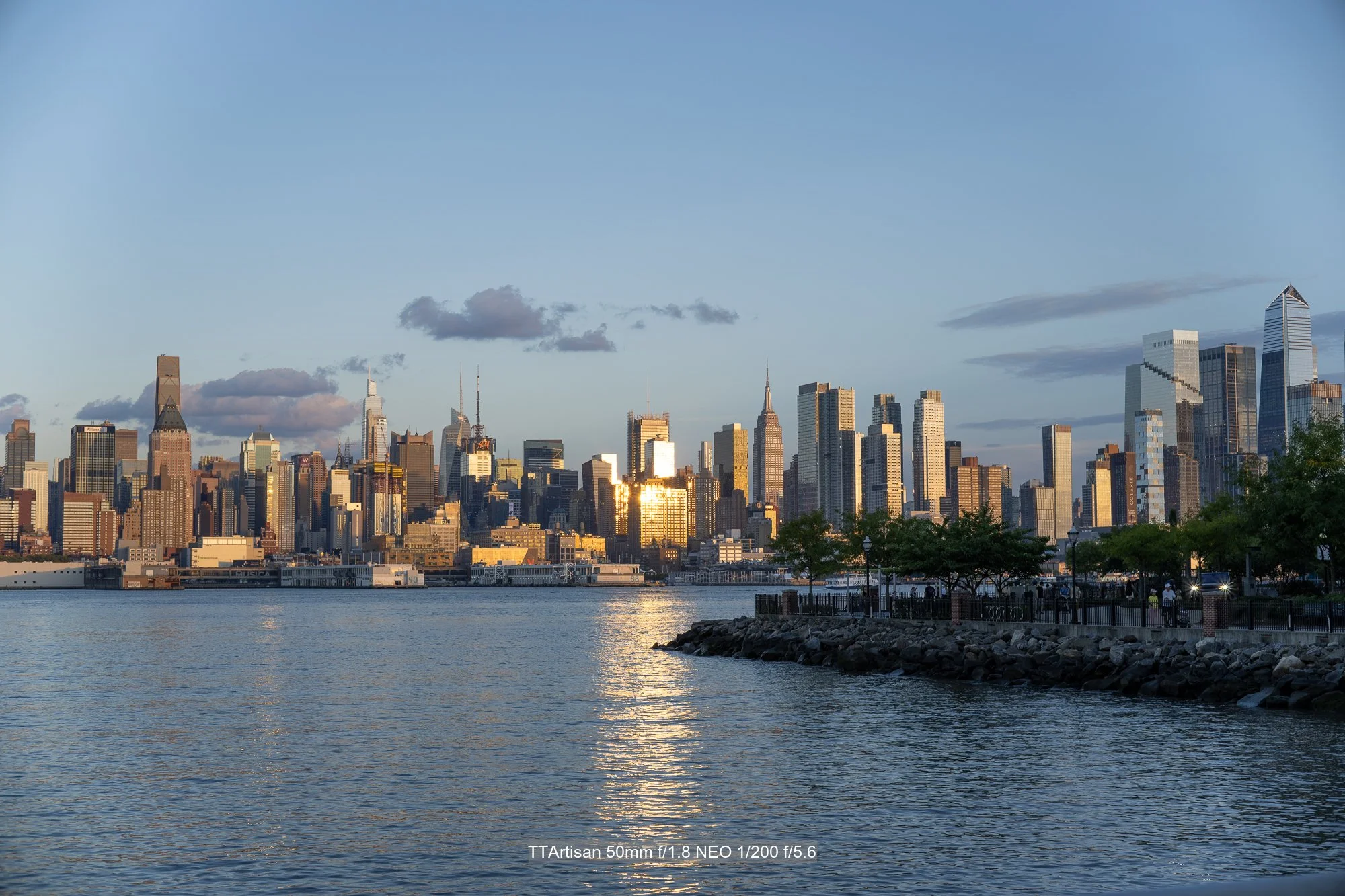
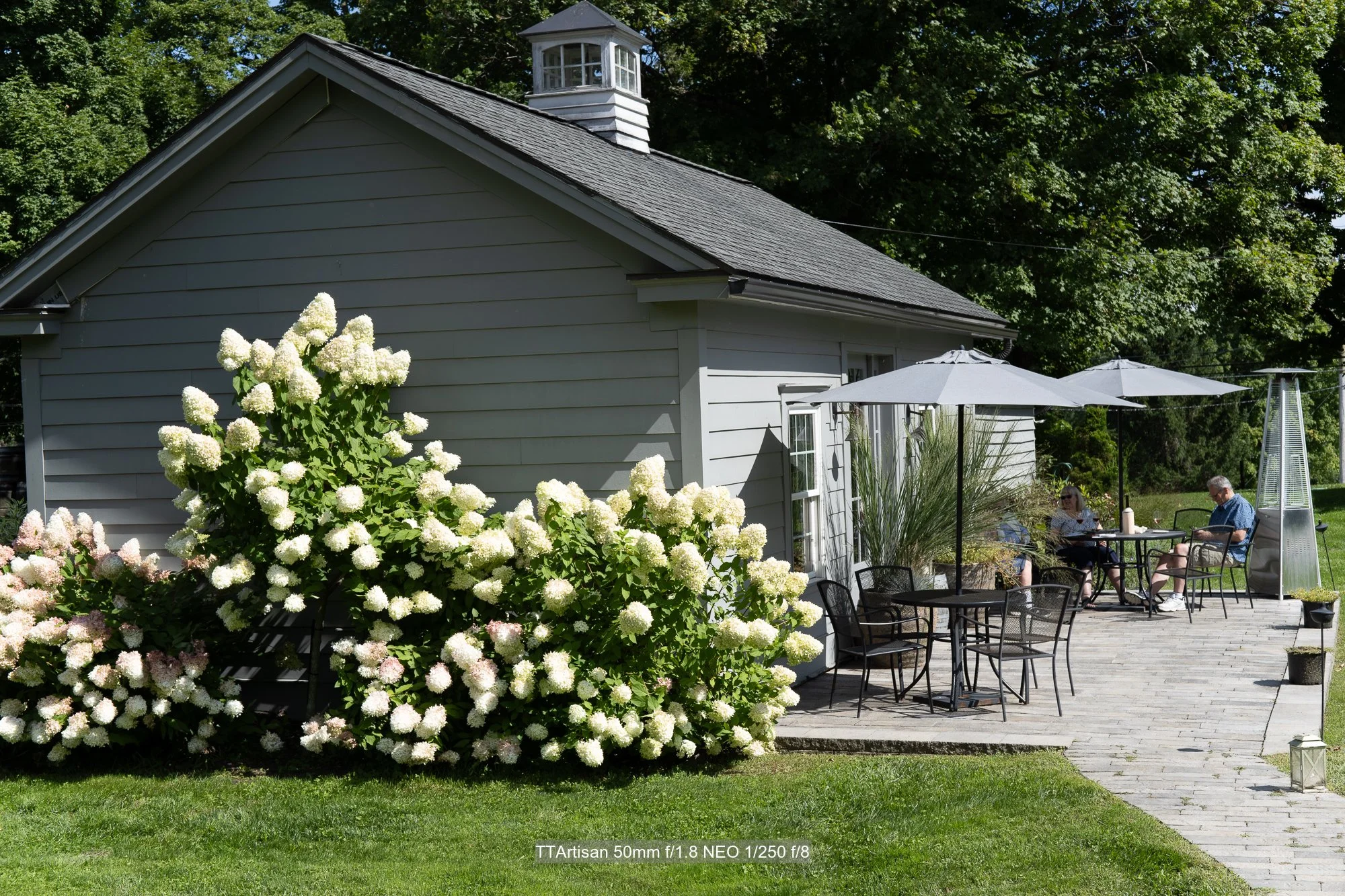
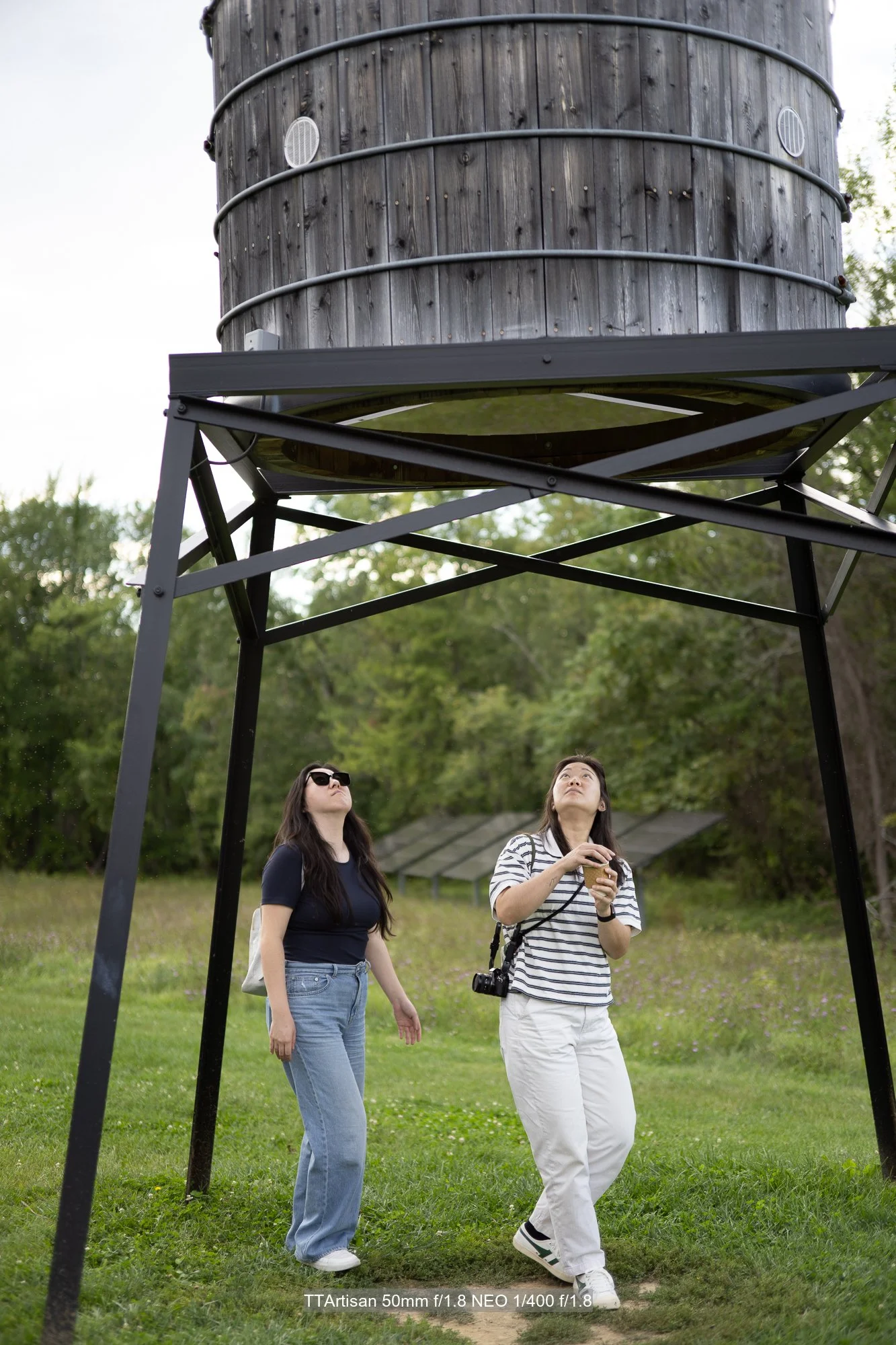
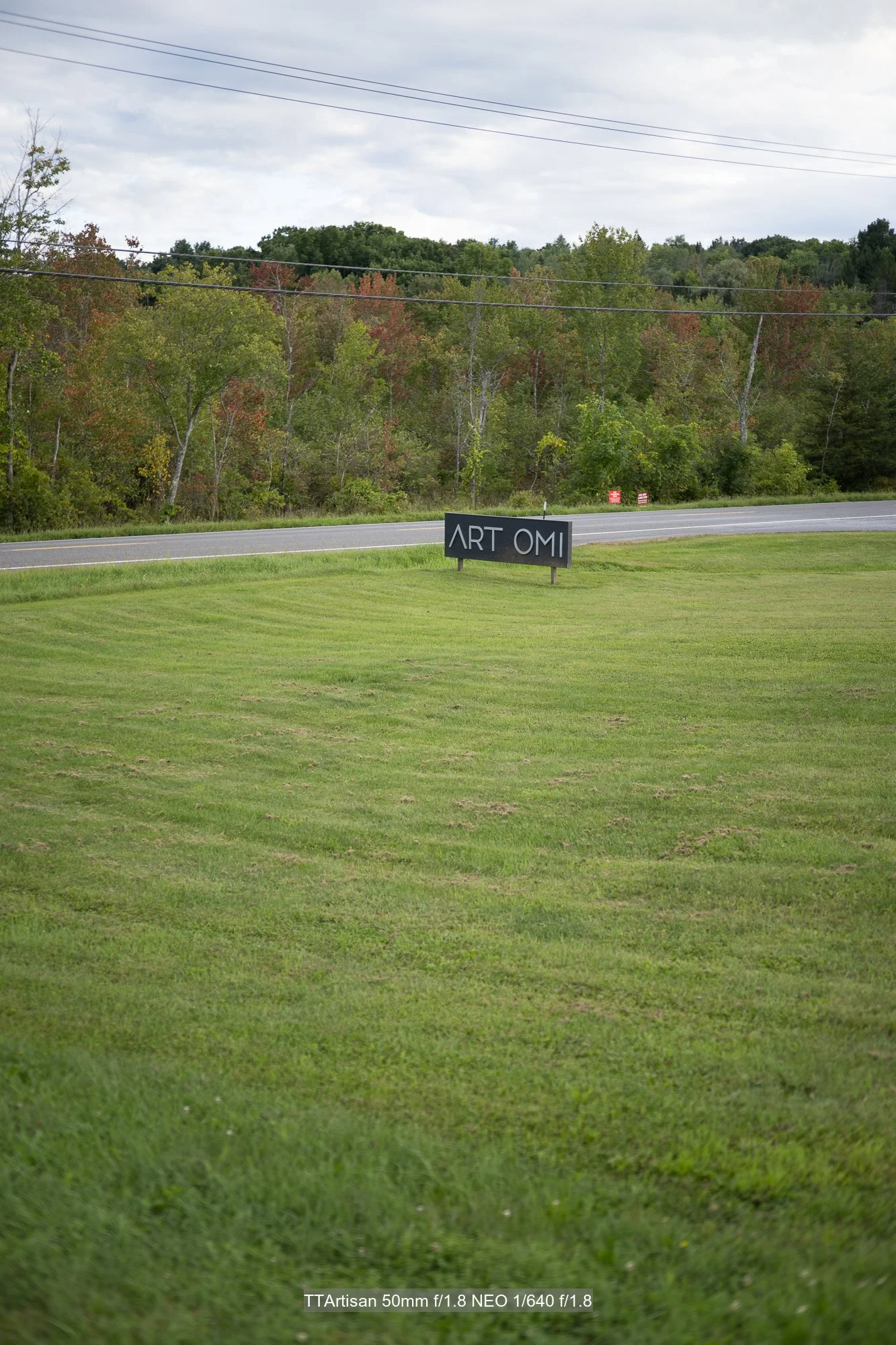
Sample Images
Click on the photo to view a larger image.












Final Thoughts
Overall, I had a lot of fun shooting with a budget lens again. I kept thinking about how this would have been a dream lens for my younger self, back when every dollar counted. For paid professional work, I'd reach for something more robust, but this lens is a great fit for amateurs and casual photographers.
If you’re someone who just picked up their first full-frame camera and are looking for an affordable 50mm prime lens to get started with, I’d highly recommend trying out the TTArtisan 50mm f/1.8 Neo!
Pros:
Cheapest 50mm autofocus lens
Acceptable autofocus
Wide aperture at f/1.8 for portraits
Lightweight and travel-friendly design
Pleasing background bokeh
Color rendition is accurate
Cons:
Noticeable softness and chromatic aberration until f/4.0
No weather sealing
Tiny lens hood
No manual focus ring
Loose rear cap with USB-C Port
Slow focus transitions for video
Rating: 3.5/5
Blog
Welcome to my blog, where I share in-depth product reviews and insights from my personal travel experiences.


